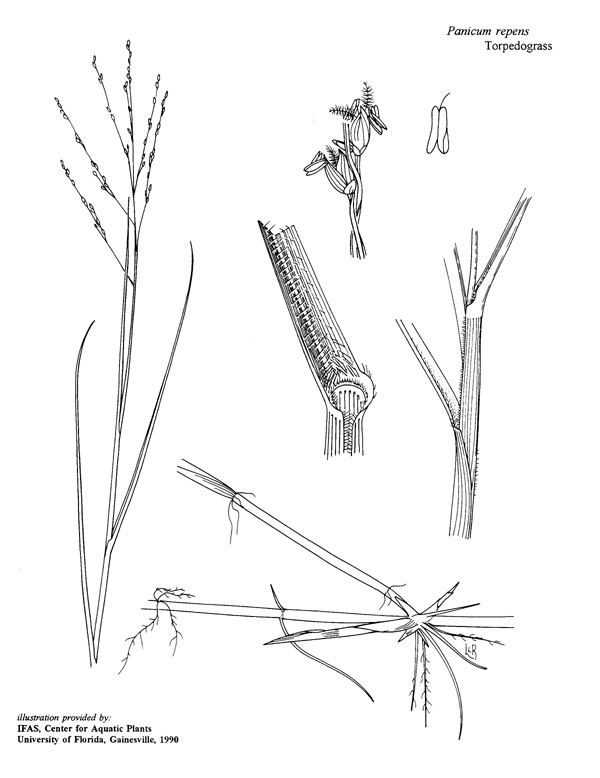
Torpedograss
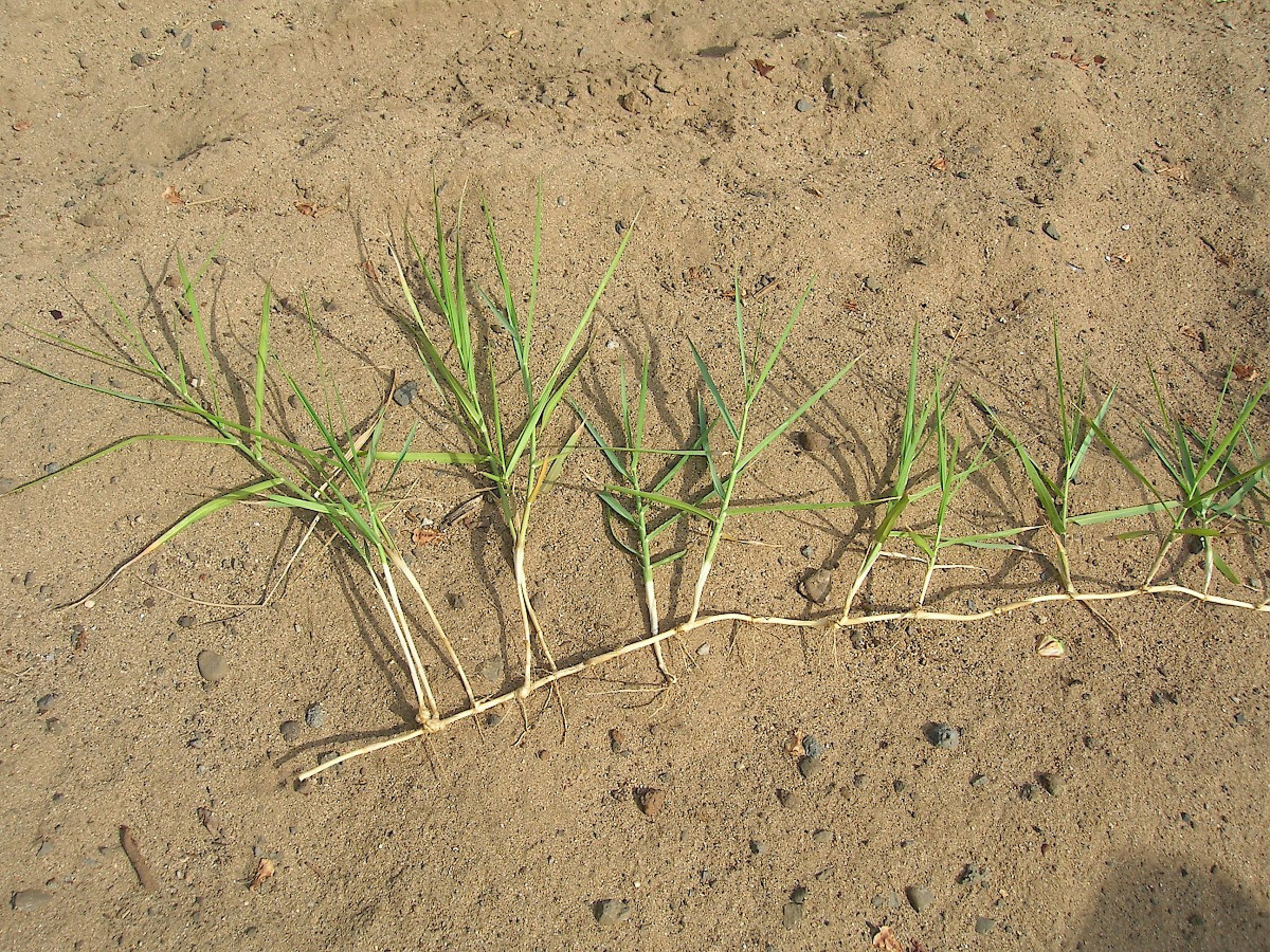
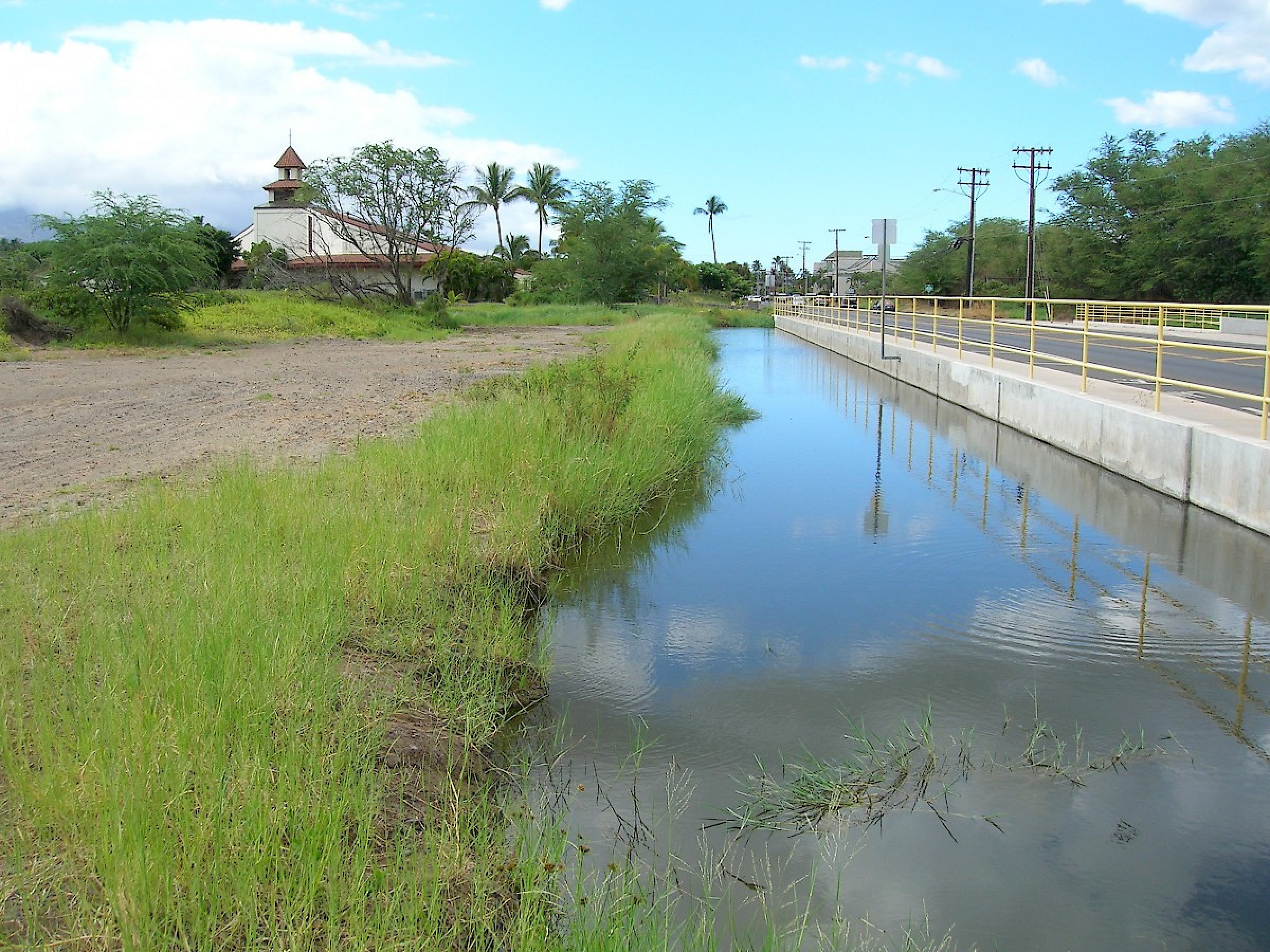
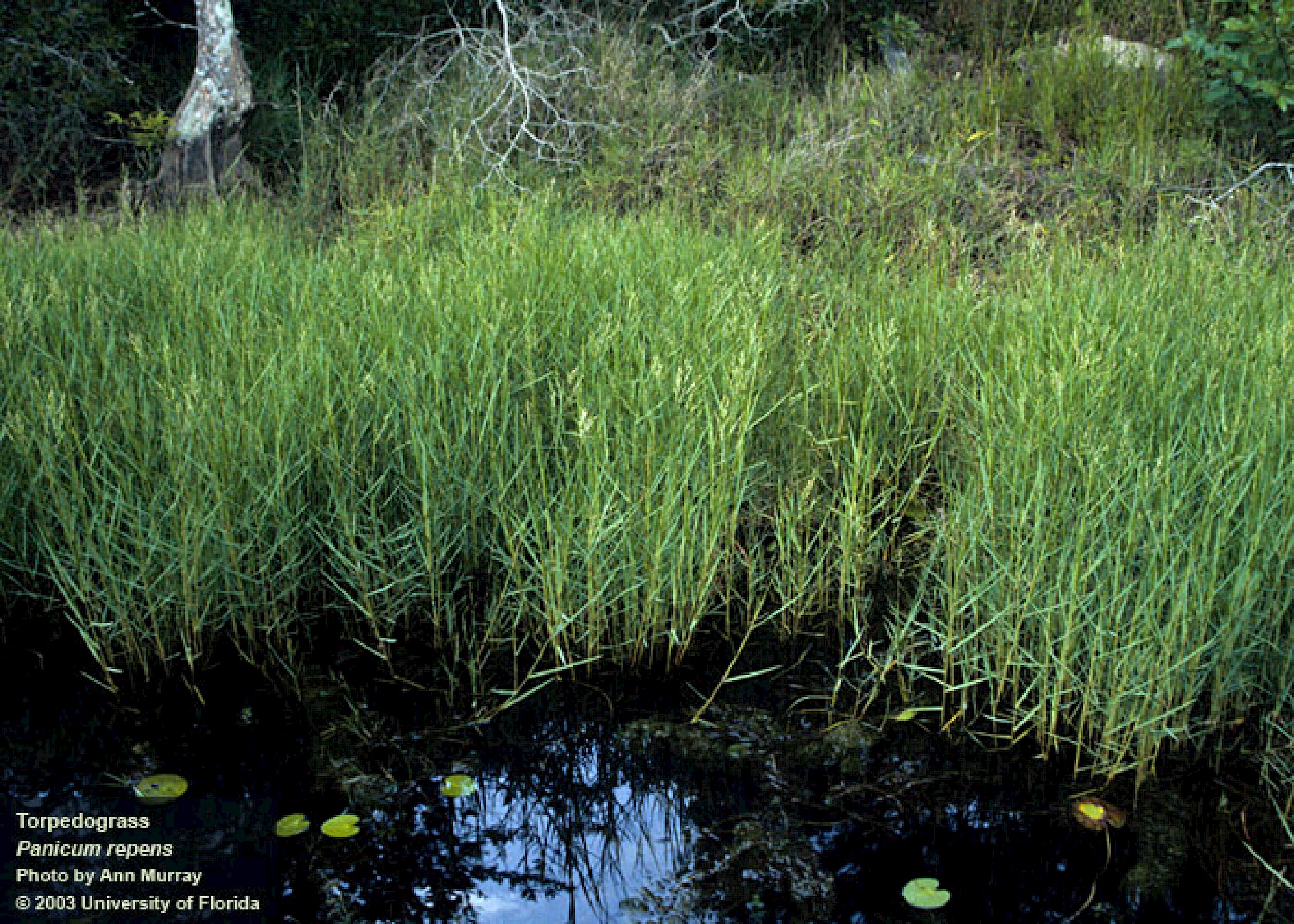
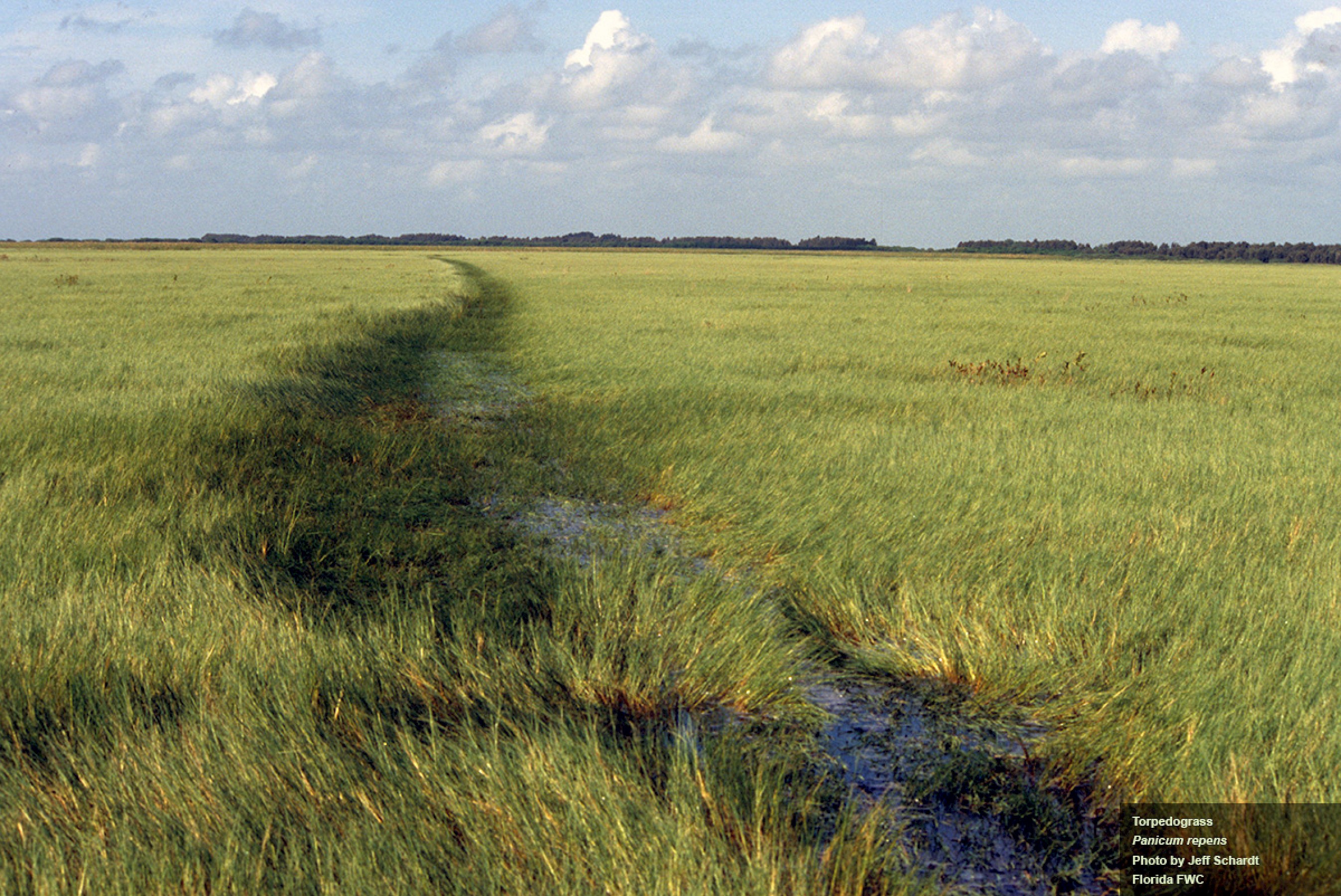
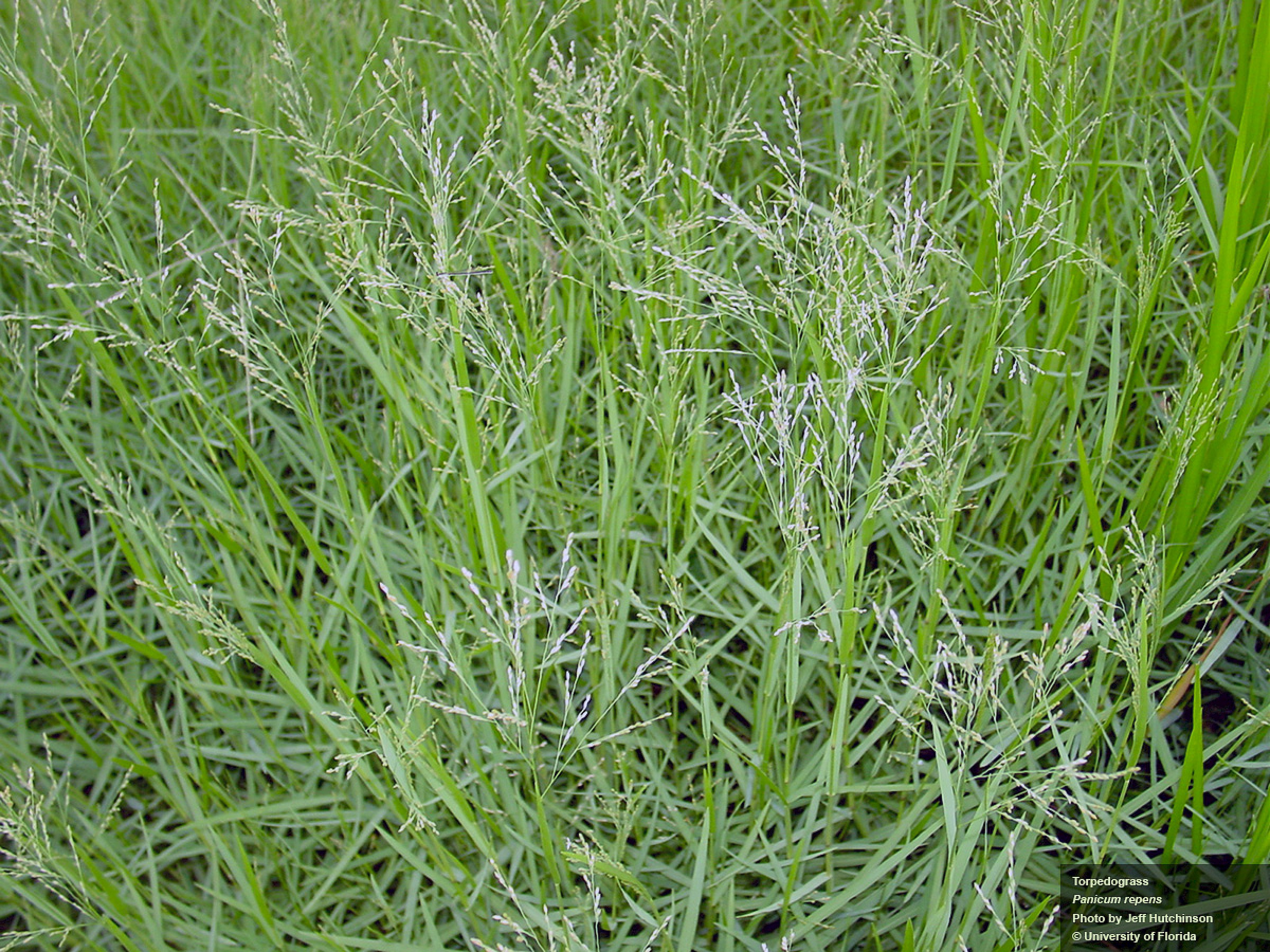
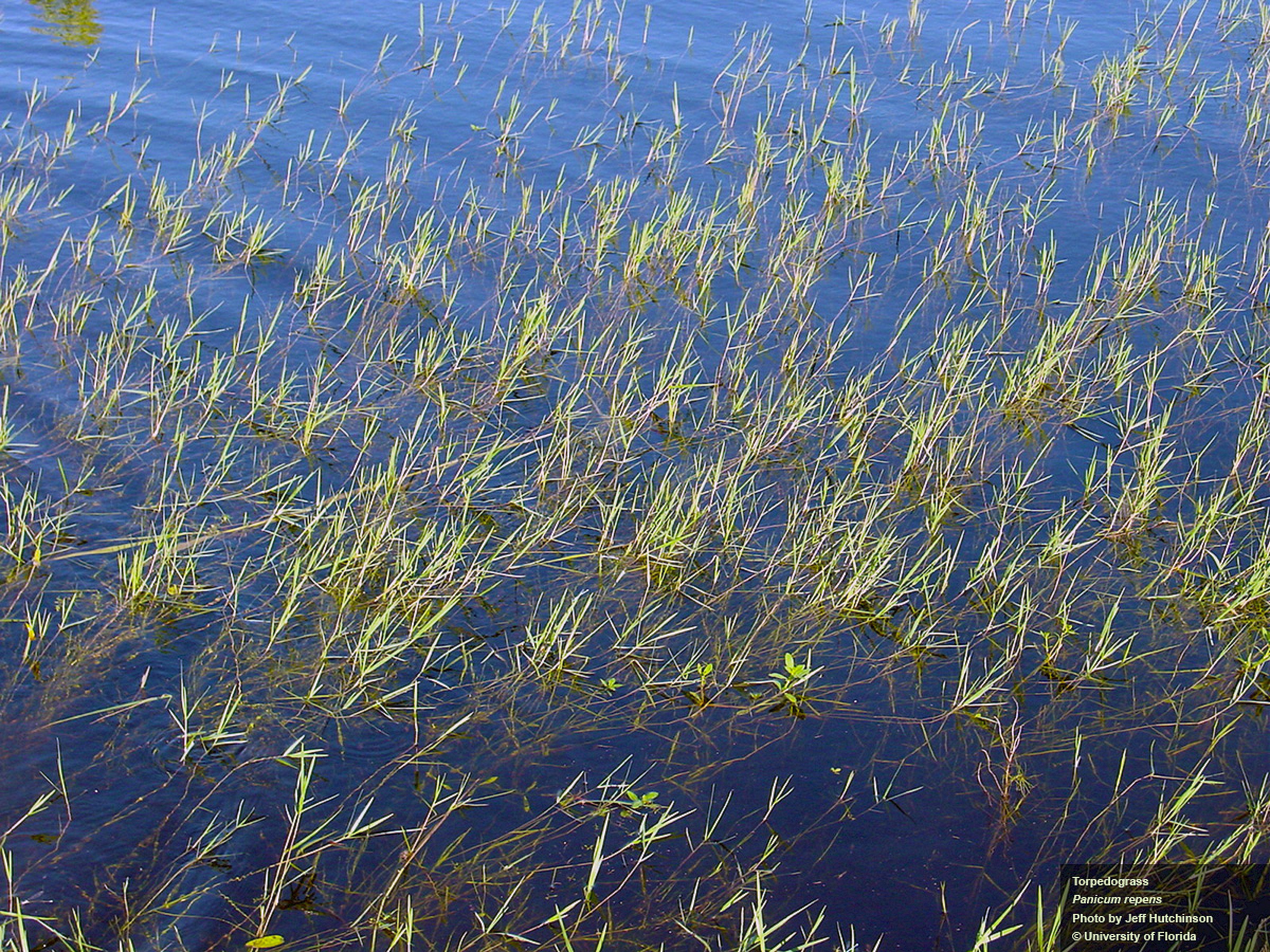
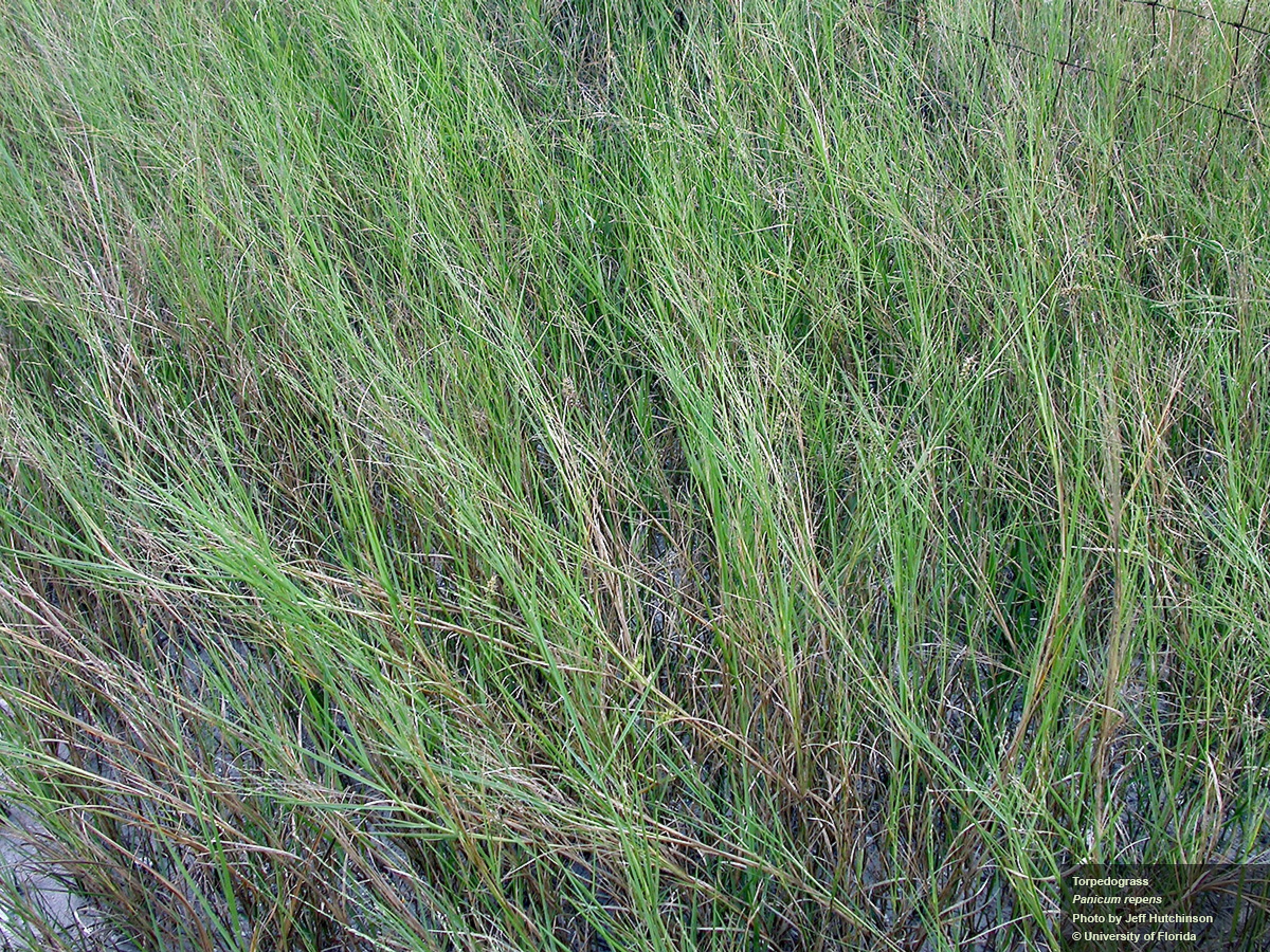
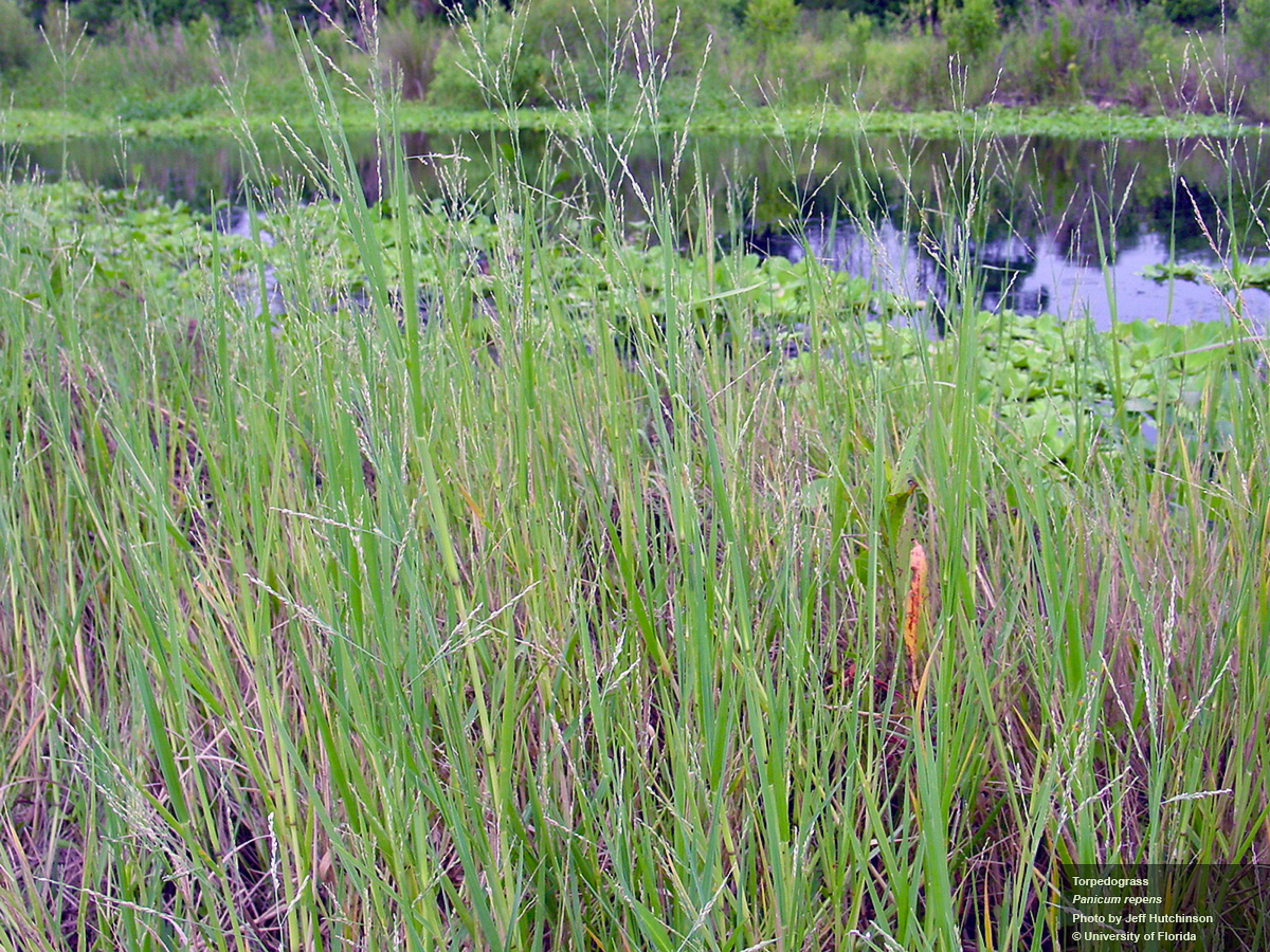
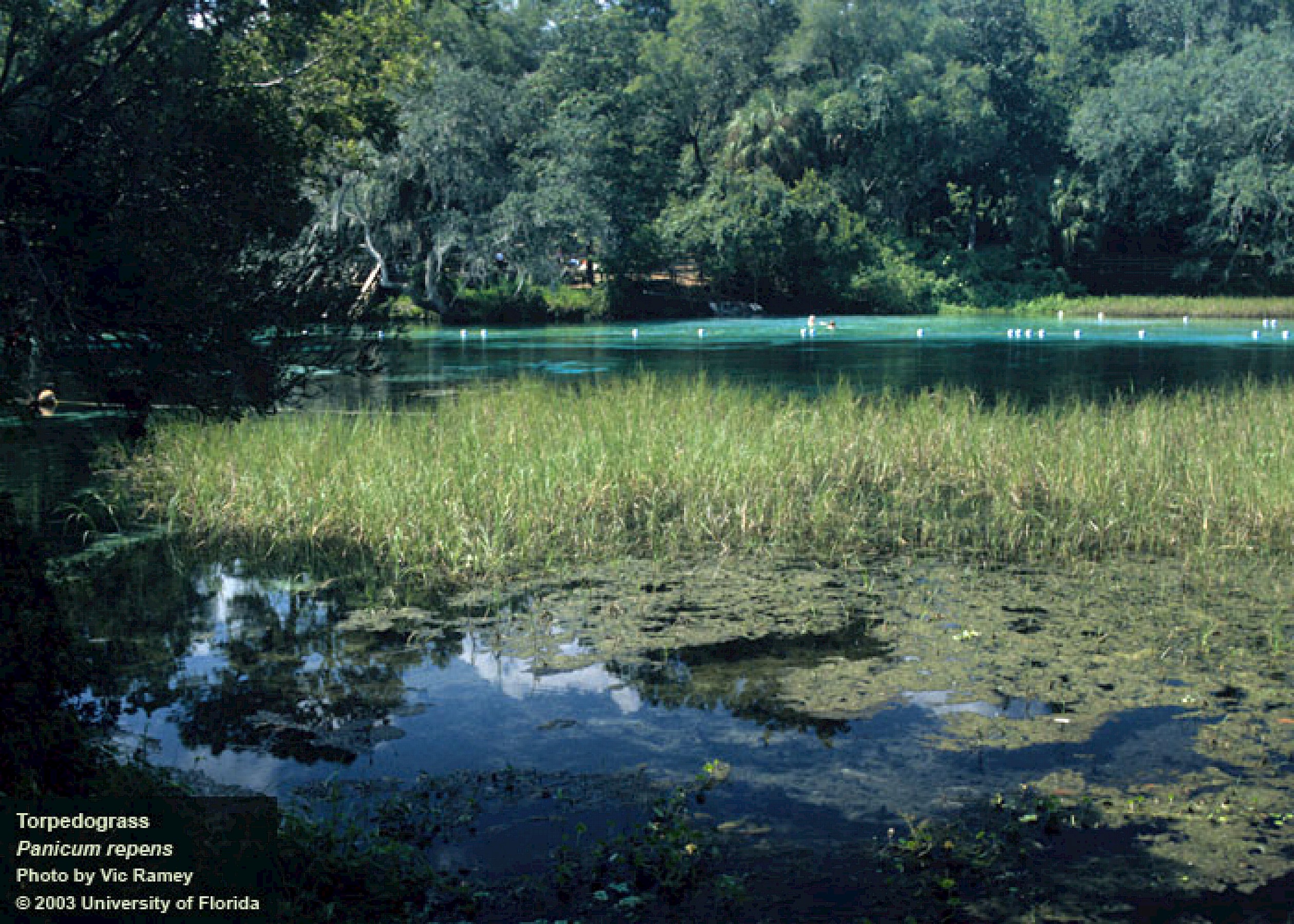
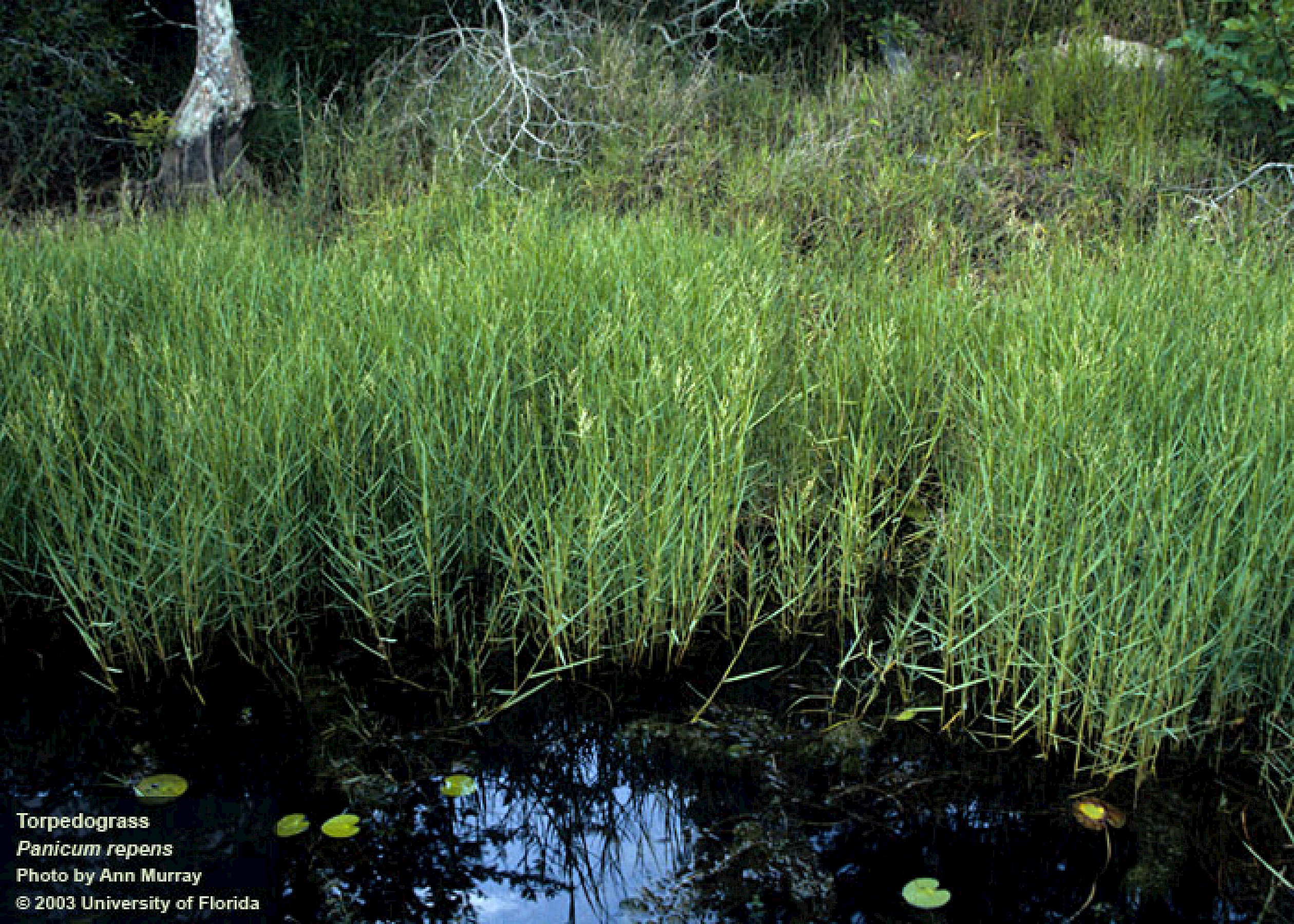
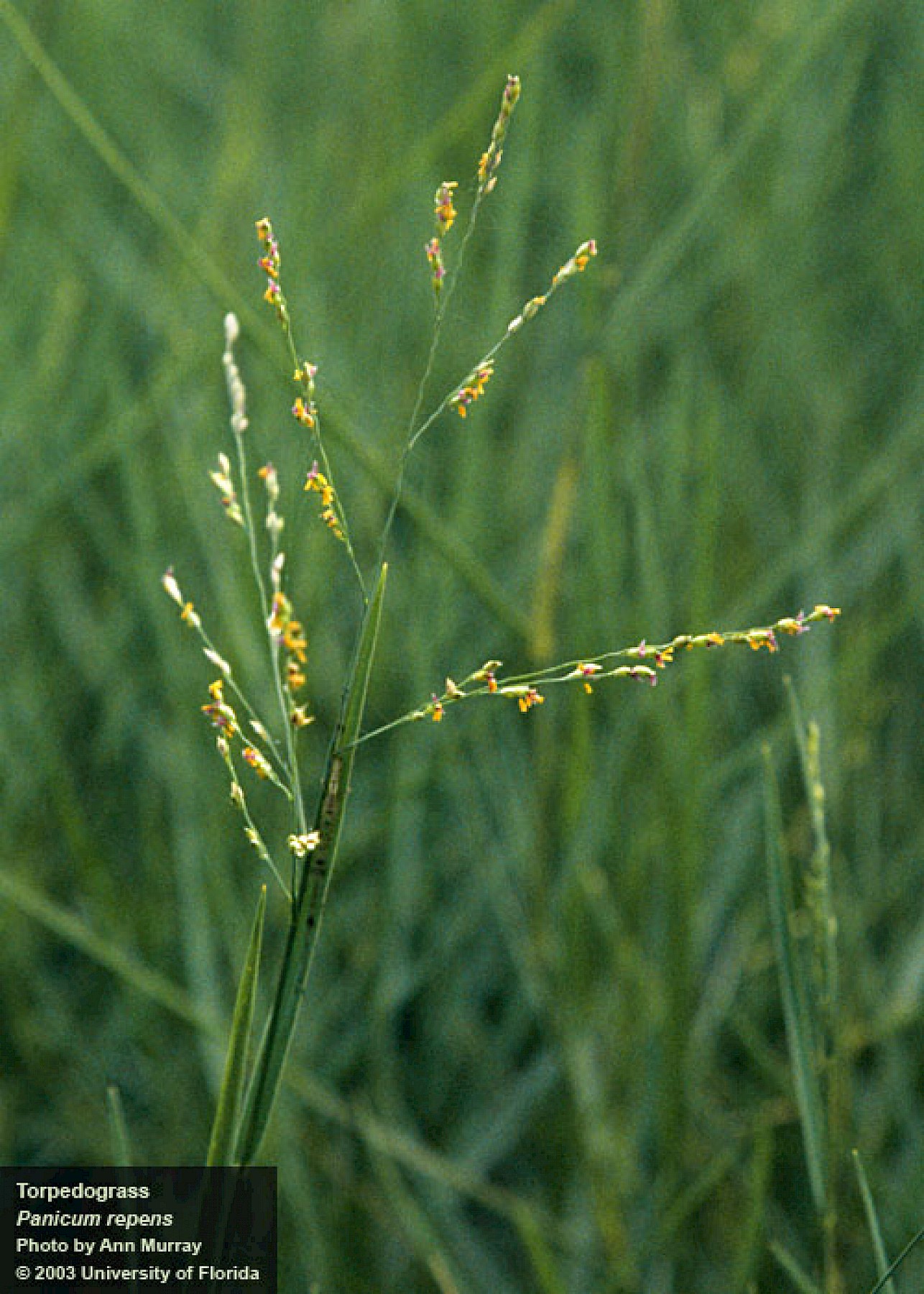
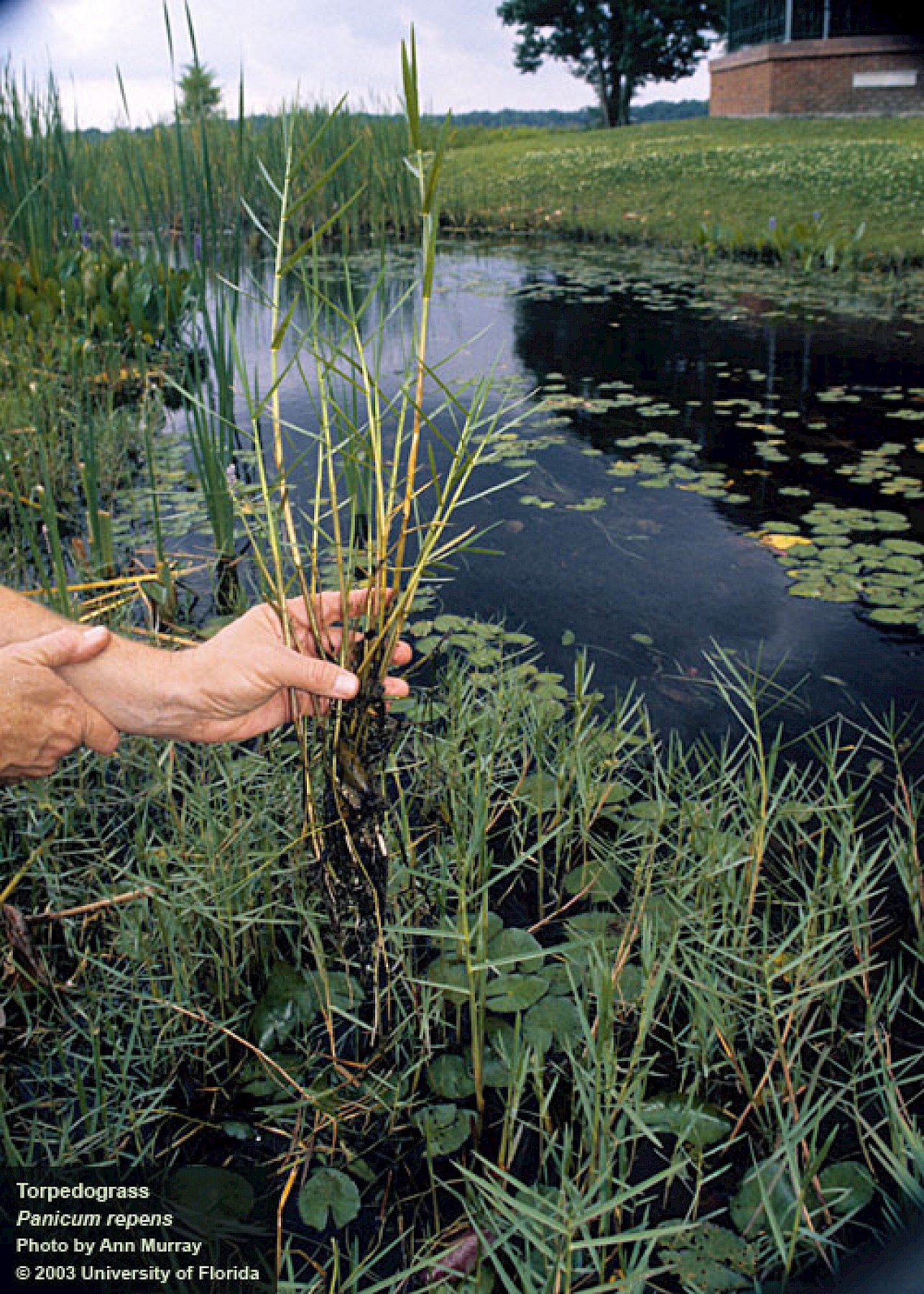
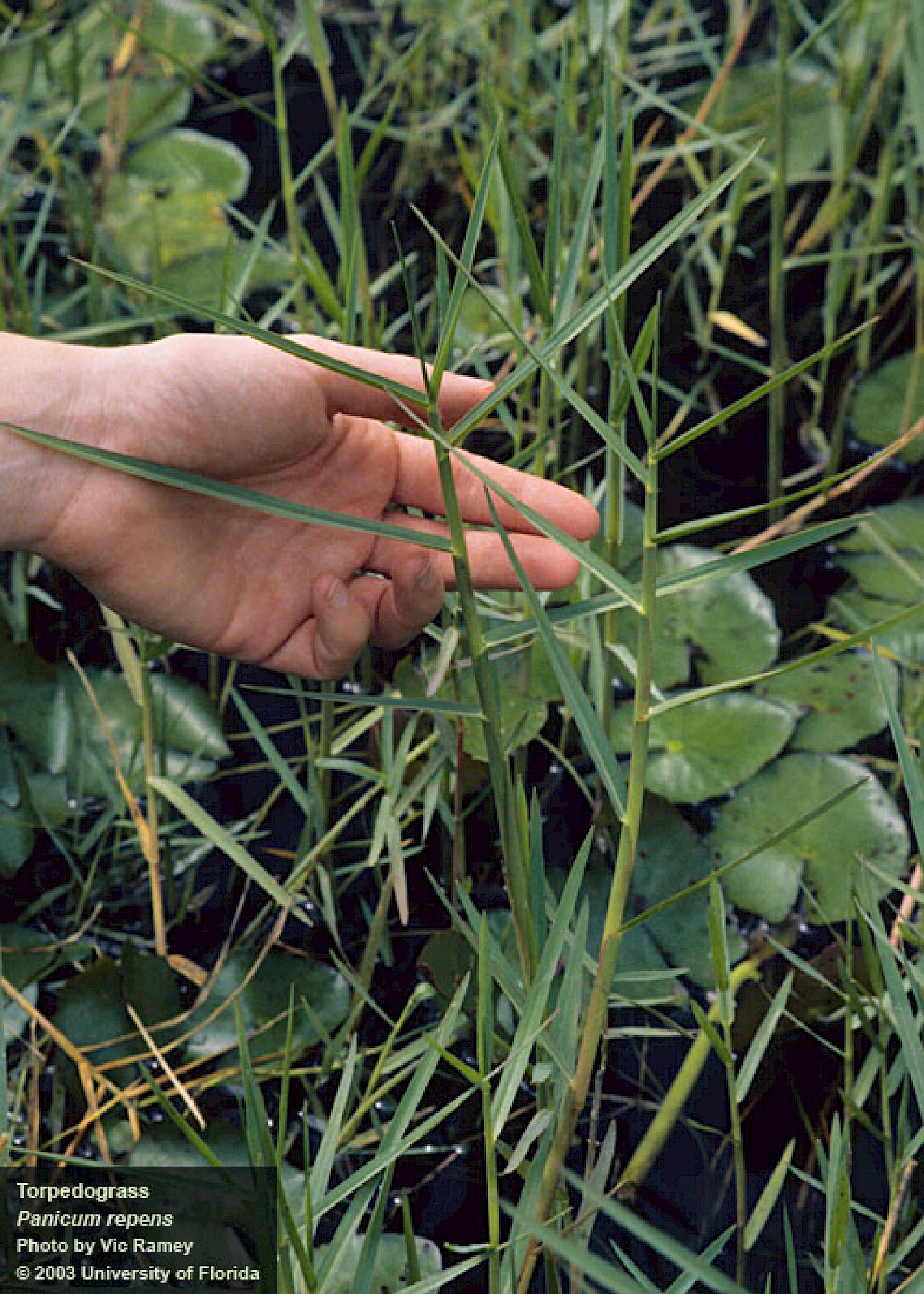
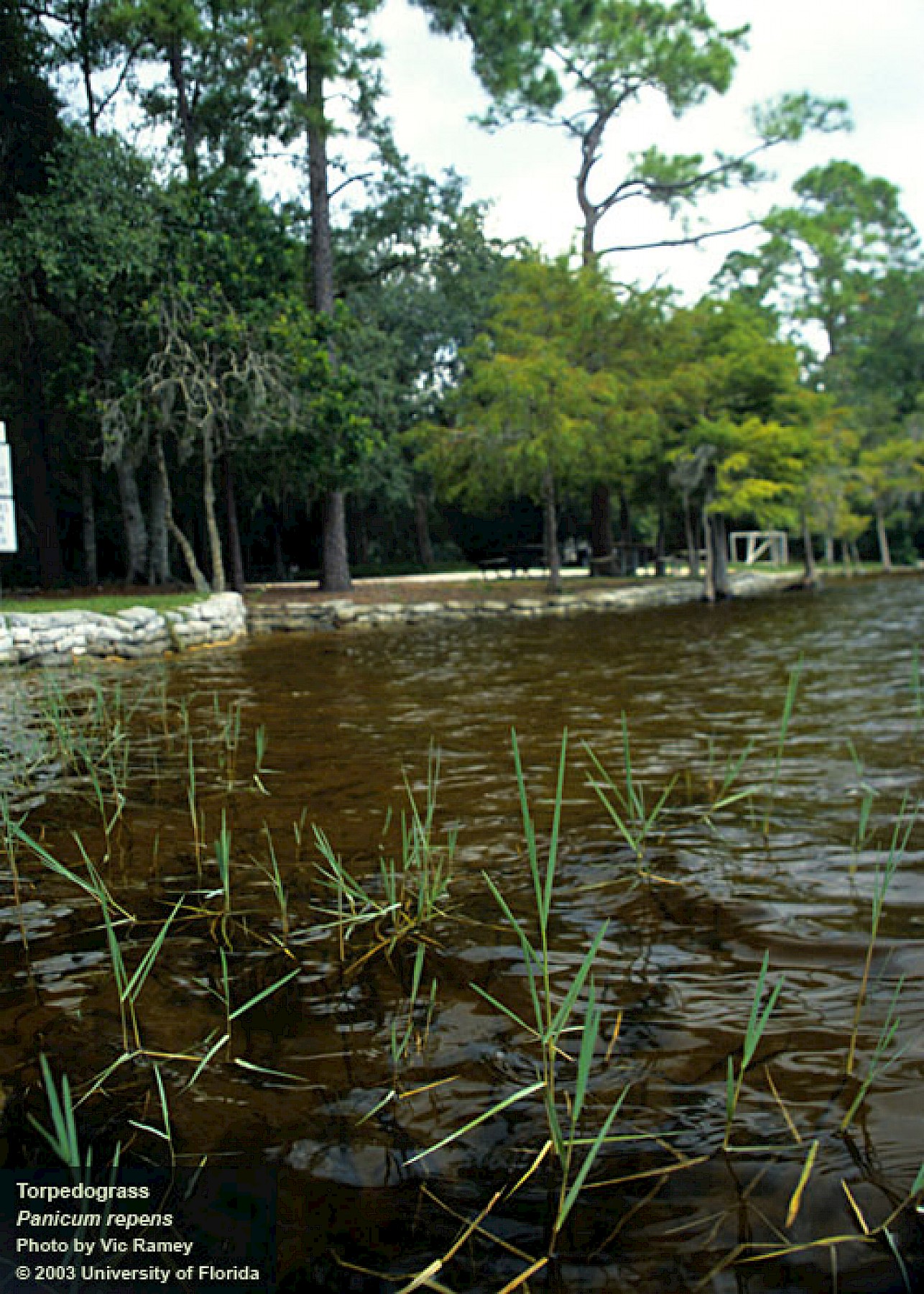
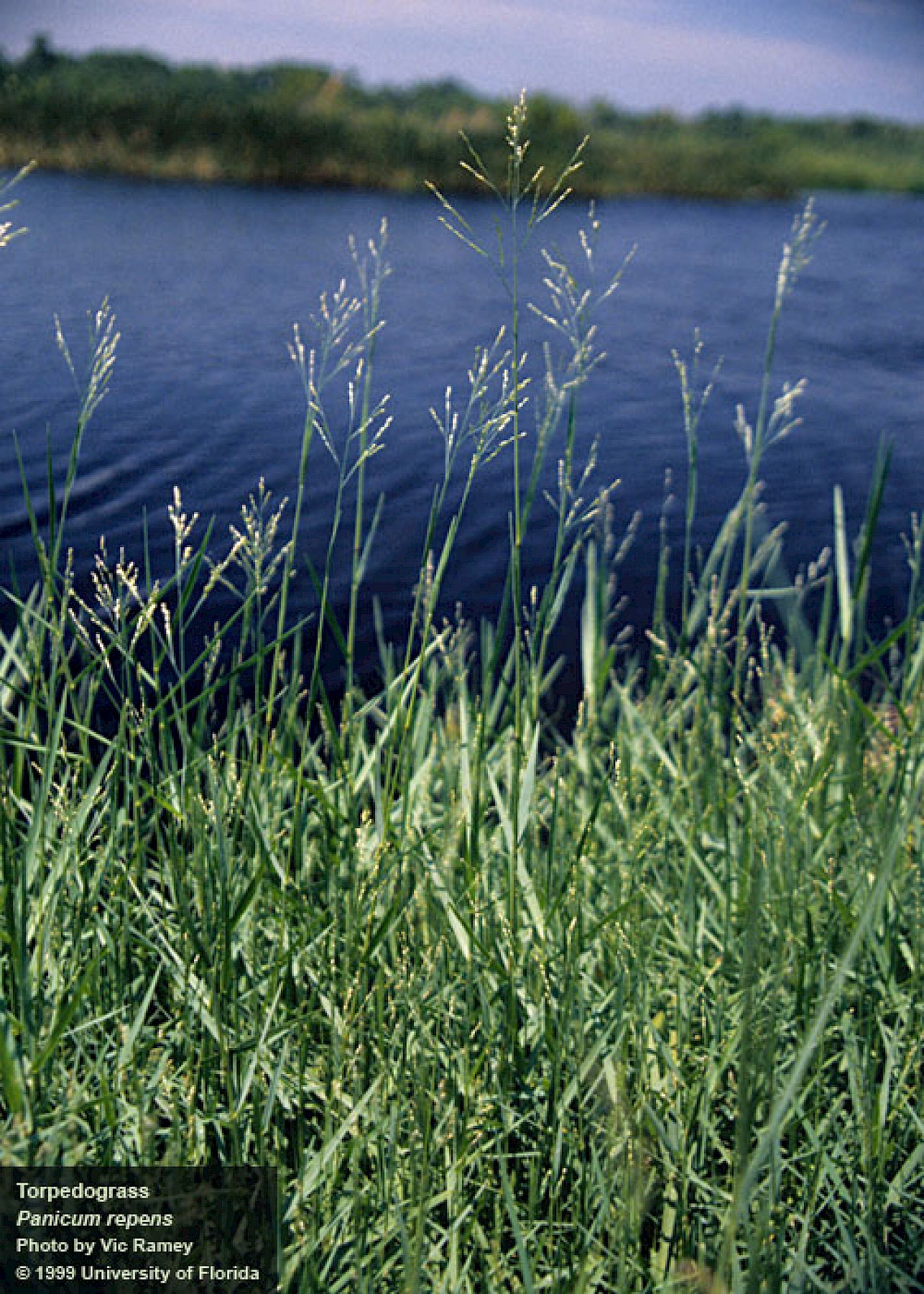
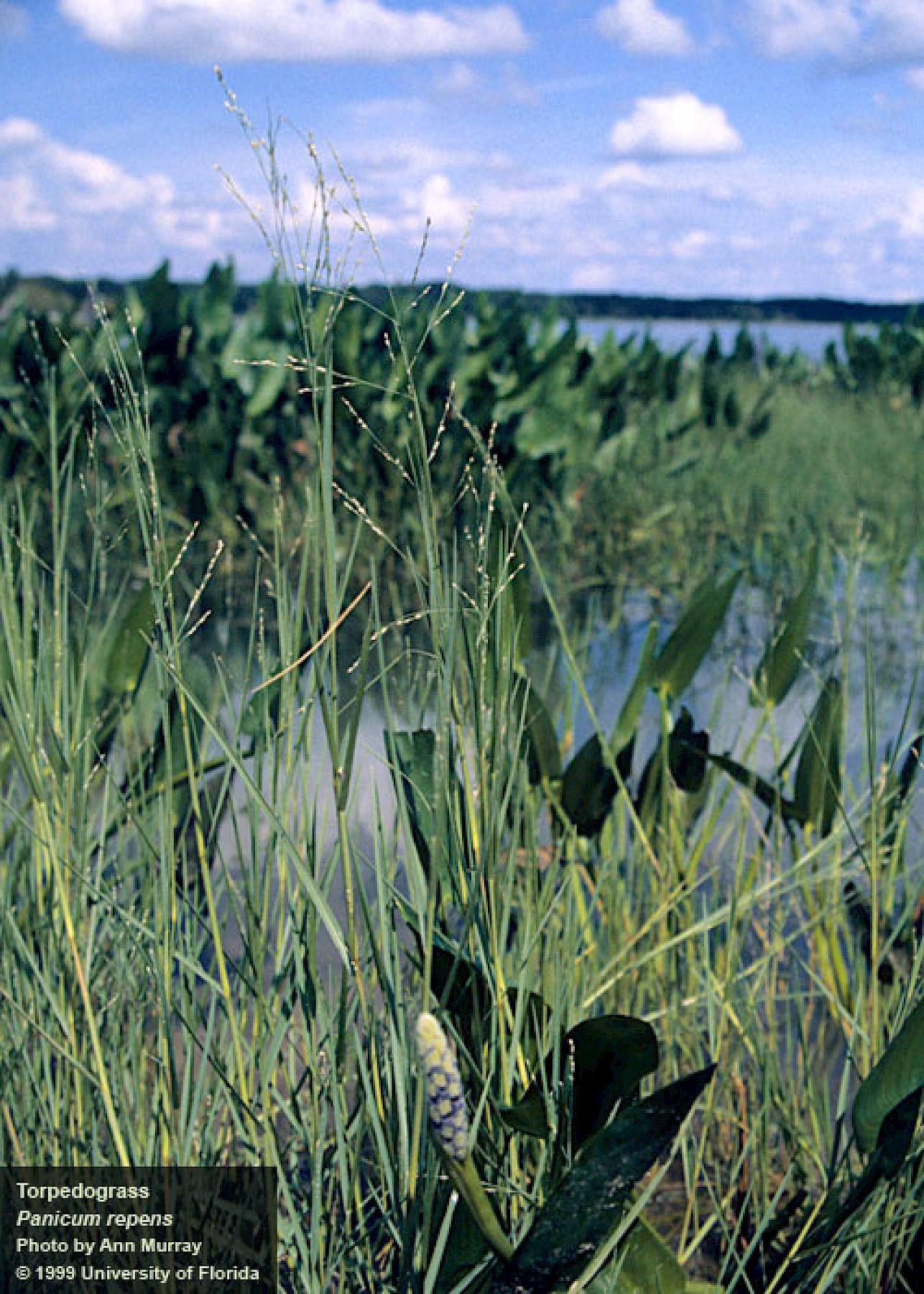
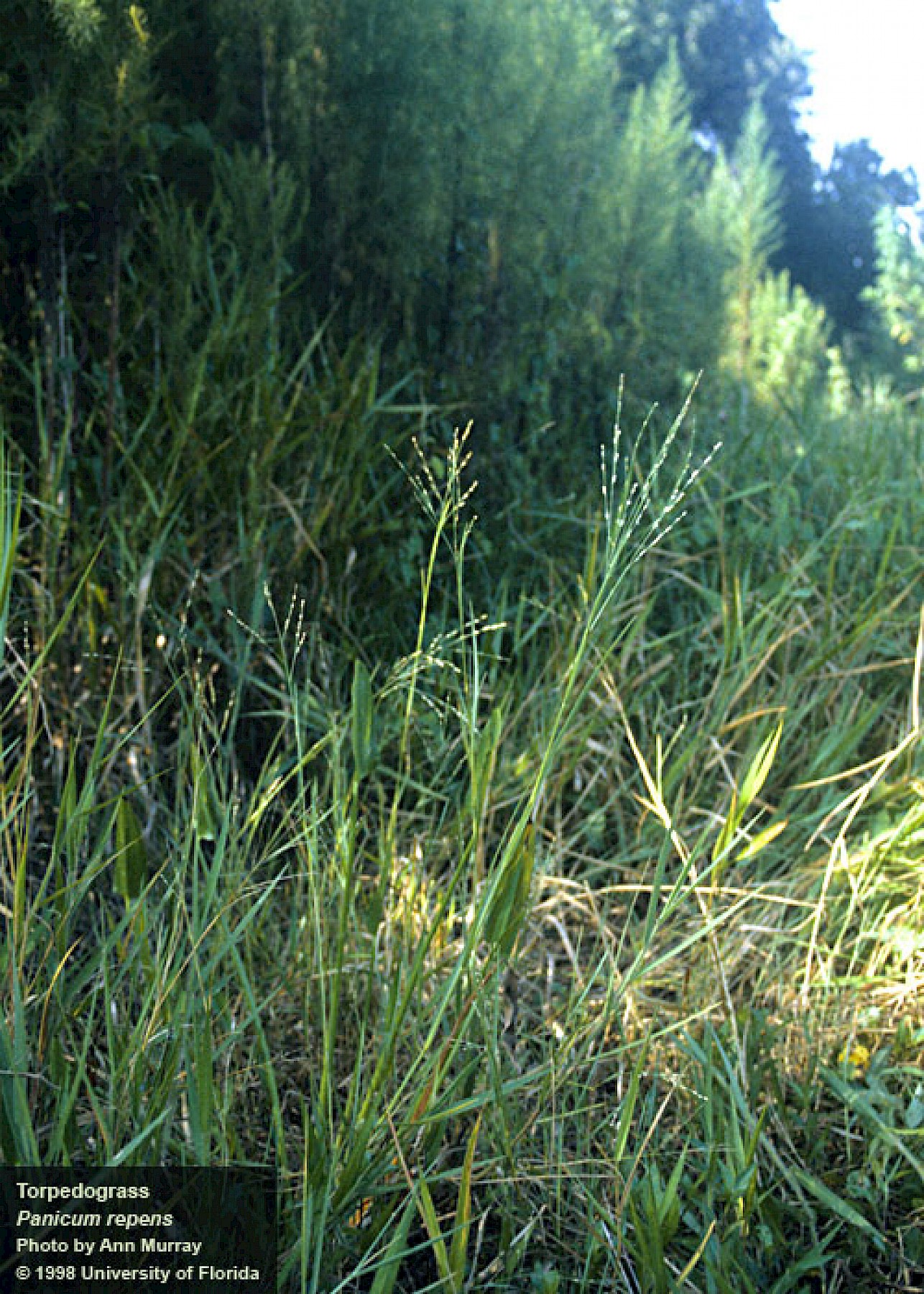
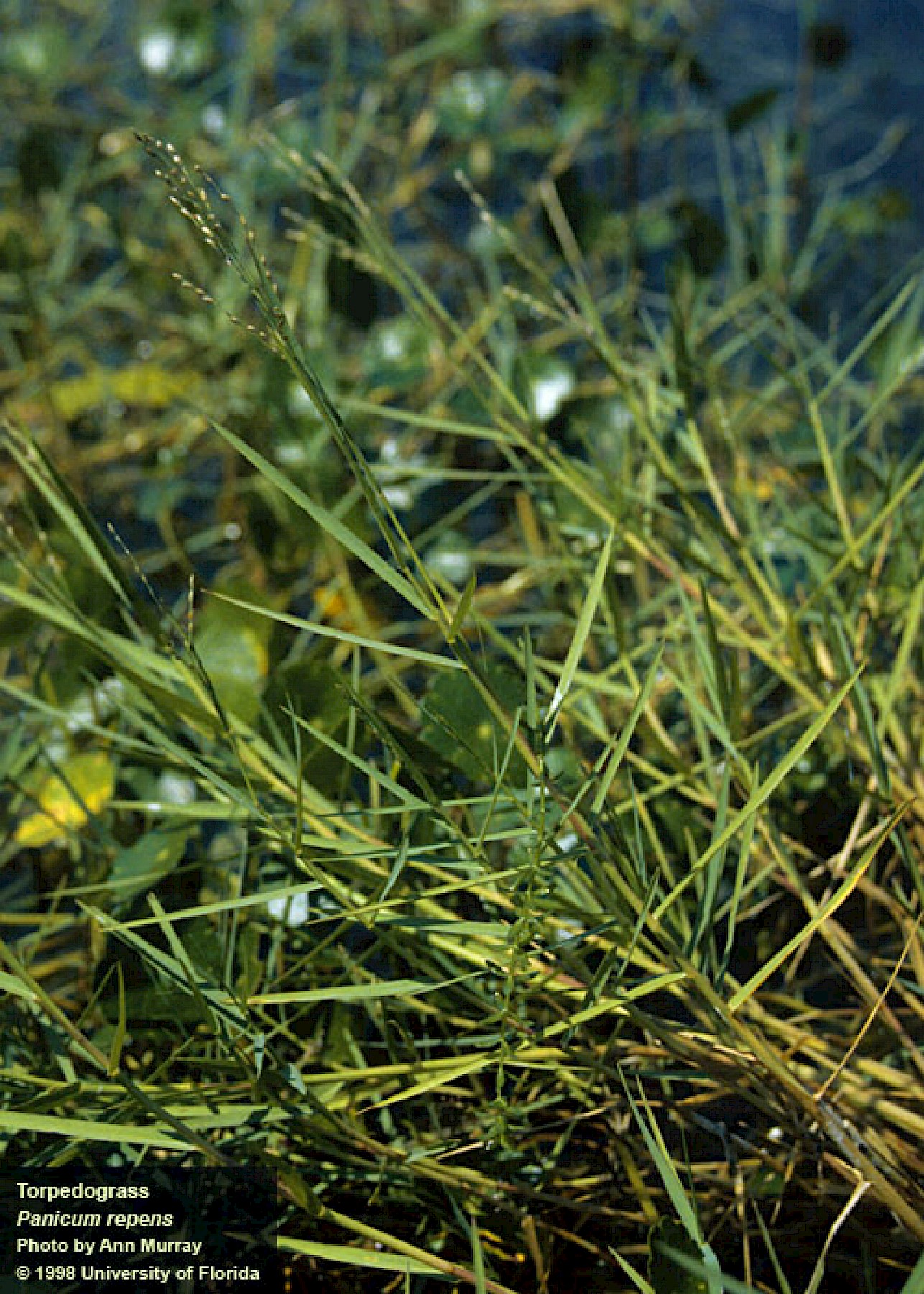
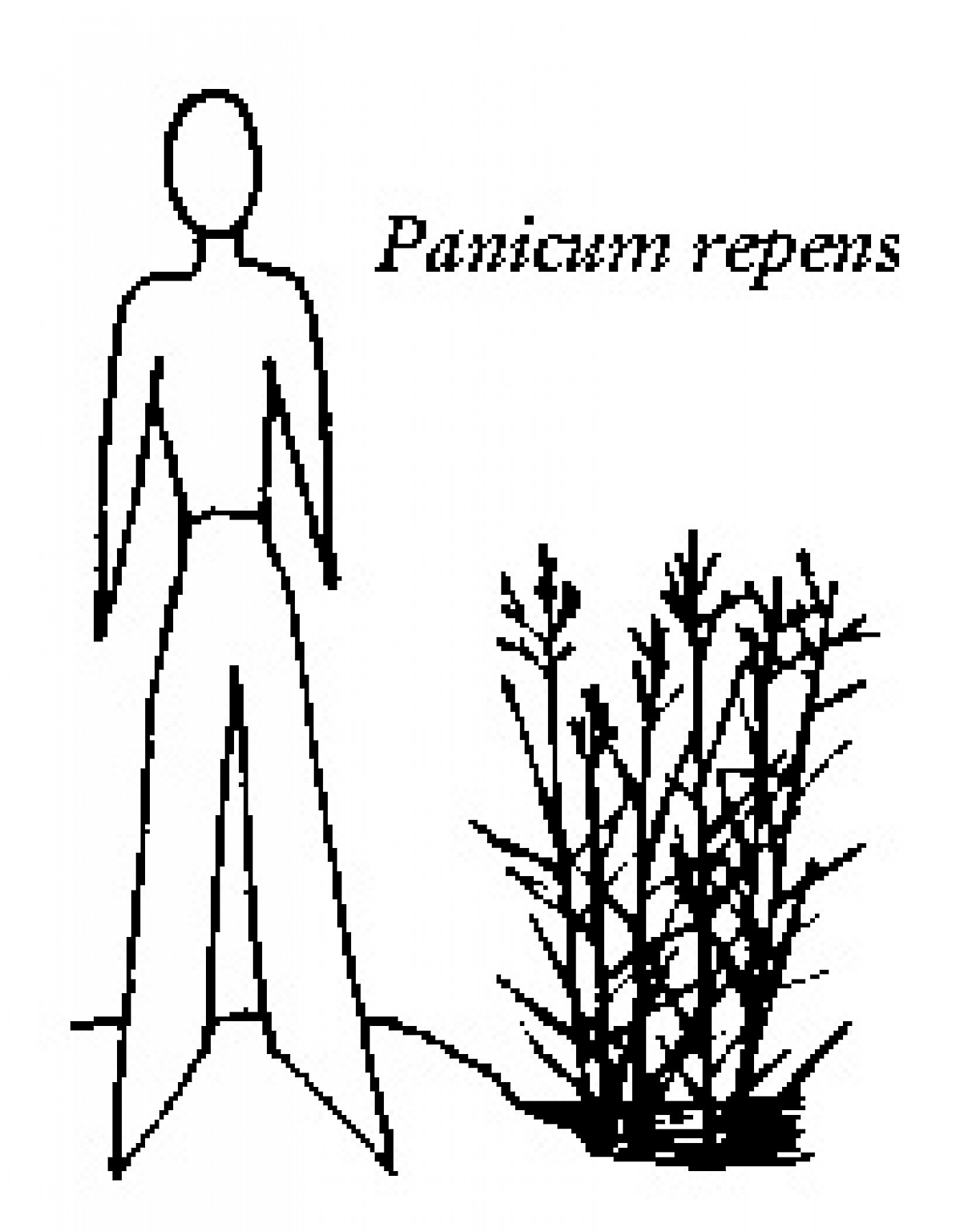
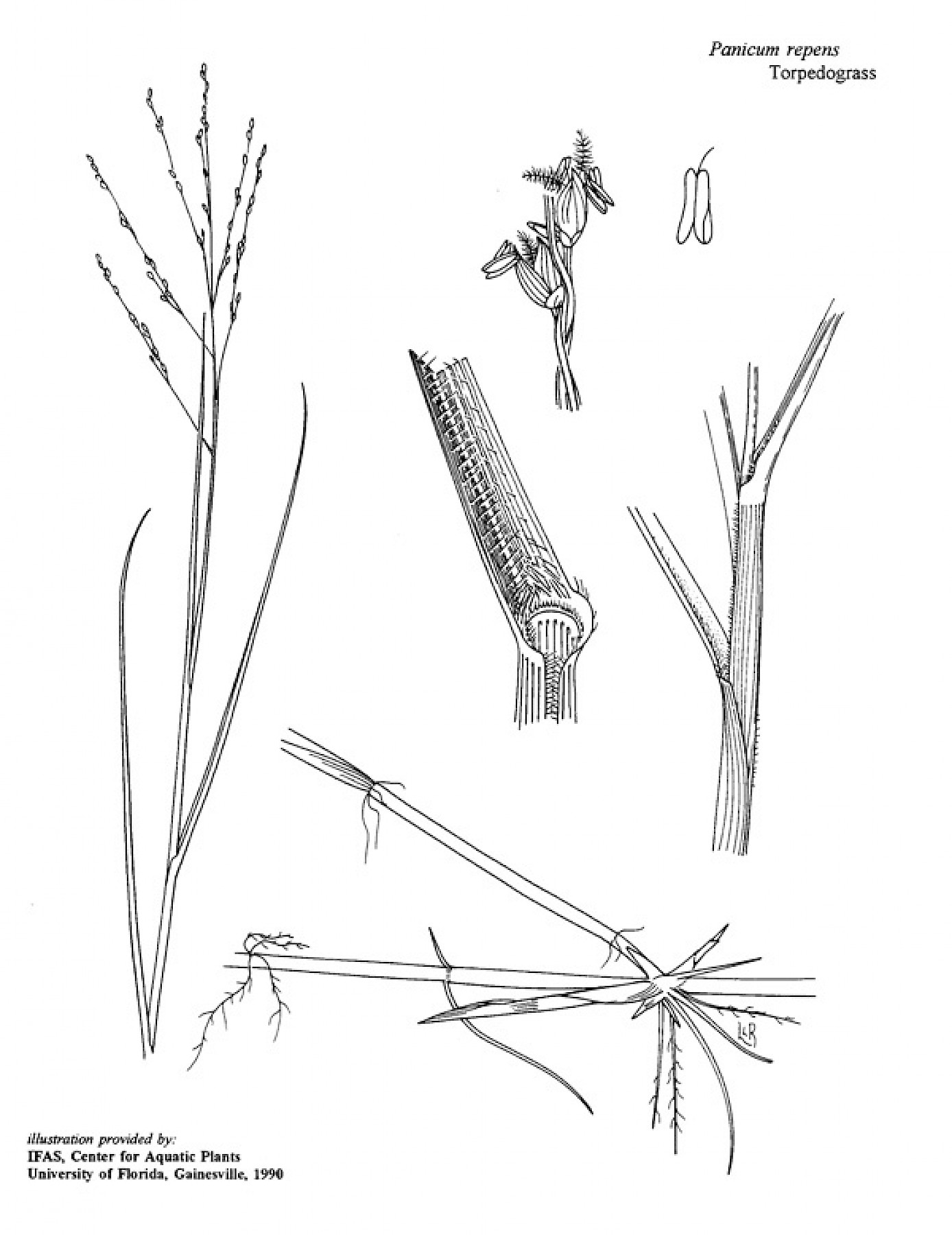
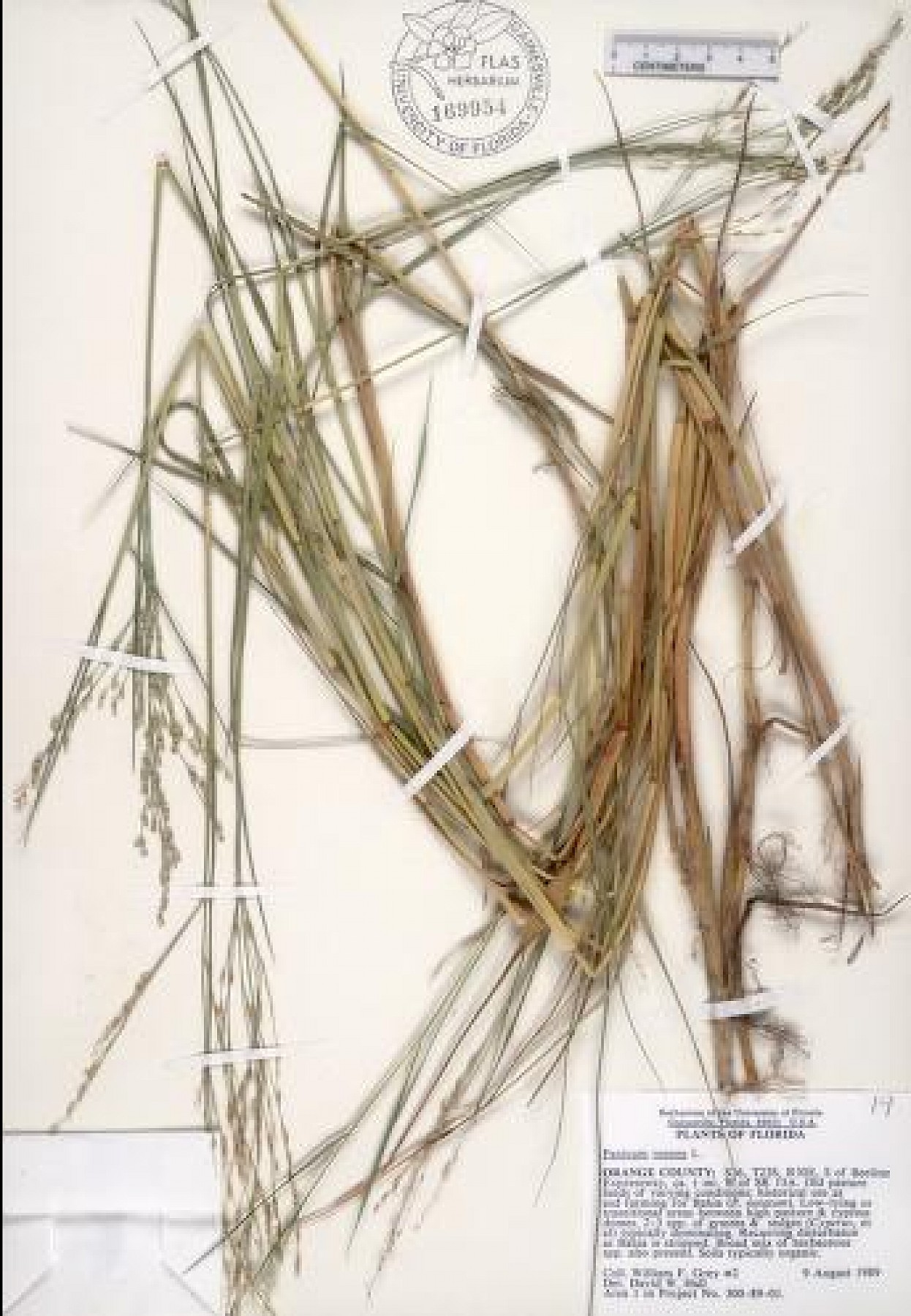


Scientific: Panicum repens
Common: torpedo grass, torpedograss, panic grass, creeping panic, panic rampant, couch panicum, wainaku grass, quack grass, dogtooth grass, dog-tooth grass, bullet grass
Family: Poaceae
Origin: Presumably pantropical. Various support exists for the native range of torpedo grass including Europe, Africa, and Asia [9, 40, 41, 43].
Introduction History: Intentionally introduced to Florida in late 19th to early 20th century for forage and soil stabilization, after which it escaped cultivation and spread widely through human-mediated pathways and disturbance, becoming a persistent invasive species in both natural and managed systems [11, 25, 43].
General Description: A perennial, rhizomatous grass that forms dense colonies in both terrestrial and aquatic habitats. Long, sharply pointed rhizomes enable rapid spread and persistence. Infestations often develop along shorelines, wetlands, canals, and other moist environments.
Habitat: Open, moist sandy beaches, littoral areas, and sometimes growing into submerged zones [9]; ditches, roadbanks, disturbed coastal sands [40]; various wetland and upland habitats [1, 16, 21, 32, 44]; closely associated with disturbance [3, 11, 18, 21, 43]
Invaded Range: Tropical and subtropical areas globally, usually coastal [9].
Stem morphology: Culms are typically erect, can grow 8-36 inches tall, and are either solitary or branching from the lower and middle nodes. Nodes are glabrous or sparsely hispid. Internodes are glabrous [9].
Leaves: Green to blue-green blades measuring 1-10 inches long, often distichous, flat or slightly involute (margins curved upward), adaxial surface with pilose hairs towards base, abaxial surface glabrous or sparsely pubescent [9]. Sheaths with glabrous or hispid lower nodes [9].
Ligule: Short membrane (0.5-1mm) fringed with hairs [9].
Rhizomes: Up to 0.2 inches thick, branching, scaly, and sharply pointed [9].
Inflorescence: Open panicle measuring 1–10 inches long, <2 inches wide. Primary branches of panicle are alternate, ascending to spreading, and measure up to 4 inches long [9].
Flower: Spikelet 2.2-2.8 mm long, 0.8-1.3 mm wide, ellipsoid-ovoid, pale green in color [9].
Fruit: Caryopsis.
Seeds: Limited information on seed production, dispersal, or viability.
Note: This page provides information for the management of torpedo grass within natural areas and aquatic habitats.
For information about its management in other contexts follow these links:
Regardless of the techniques utilized to manage torpedo grass, integrated approaches and careful monitoring are essential to achieving long-term goals associated with healthy, functional ecosystems [14, 24].
The widespread presence and abundance of torpedo grass in Florida represents late-stage invasion in which only resource protection and long-term management are feasible.
The physiological and morphological traits of clonal, flood tolerant weeds like torpedo grass prevent effective control through hydrologic manipulation alone. Prolonged periods of severe flooding can suppress torpedo grass growth and is further enhanced as a control method when preempted with another management technique such as mowing, scraping, or burning [16, 32].
Burning as a standalone control strategy is typically not effective for torpedo grass due to the rapid resprouting potential and energy storage within rhizomes [38]. Fire can effectively remove above-ground biomass but does not reduce below-ground propagule viability, resulting in rapid post-fire recovery and, in some cases, increased dominance due to reduced competition [12, 13, 34, 36, 44]. Burning combined with chemical treatment can enhance control outcomes [13, 38].
Like most rhizomatous grasses, mechanical top-growth removal techniques, such as mowing, only temporarily suppresses torpedo grass [10]. Mowing can stimulate new foliar tissue growth of torpedo grass that may be more suceptible to other control techniques such as chemical treatment.
Mechanical soil disturbances such as tilling, scraping, or disking are often not logistically feasible or counterproductive to management goals in wetland habitats. Such techniques are more commonly used in agricultural contexts. However, if these methods can be responsibly applied, they can suppress torpedo grass by dividing rhizomes into smaller sections with less stored energy and burying them deeply to prevent emergence. Effective burial of viable tissues to depths of ≥15 cm (6 in) limits emergence of torpedo grass [15].
There are no known biological control agents which have been implemented for torpedo grass in Florida. Native and adventive herbivores found in Florida are unlikely to provide any meaningful suppression of this weed [4]. Given the pantropical origins of torpedo grass, limited knowledge of native-range herbivores, and the vegetative morphology of torpedo grass, biological control of this weed is a complex challenge [5].
Click here to view a torpedograss management guide for plant management professionals.
Land managers in Florida commonly rely on non-selective chemical treatment for large-scale management of torpedo grass in natural areas [13, 24, 31]. Several years of repetitive applications of herbicide are essential to effectively control torpedo grass [8]. Chemical control methods for torpedo grass in Florida are closely related to environmental conditions and application parameters [24, 42]. Hydrology is a major driver of herbicide efficacy: glyphosate performance declines in flooded and saturated conditions [31, 39]. Brackish habitats common to coastal marsh areas also can reduce chemical uptake and treatment response [28]. Carrier volume and herbicide rate are also important factors, with inadequate spray volume reducing control in densely populated areas [33]. Water quality and compatible adjuvant usage are essential to maximize treatment outcomes [42]. Operational timing is equally important, with treatments applied during periods of active growth and to plants with sufficient leaf area result in greater efficacy, while stressed or recently disturbed plants exhibit reduced susceptibility [2, 42]. Finally, non-target damage must be considered to support native species recovery [10] and repetitive applications of aquatic-safe, grass-selective herbicides may be an important advancement to modern chemical methods that align with restoration goals [7, 23, 33, 35].
UF IFAS Assessment of Non-Native Plants in Florida’s Natural Areas