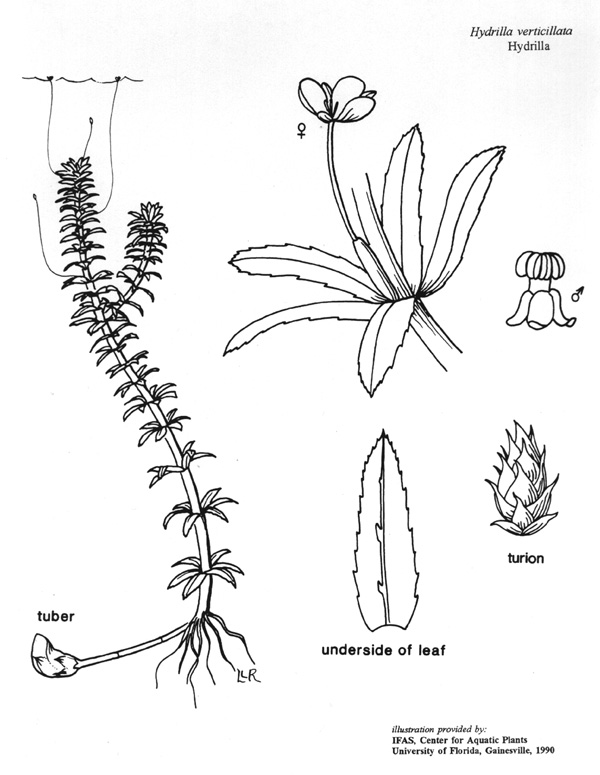
Hydrilla
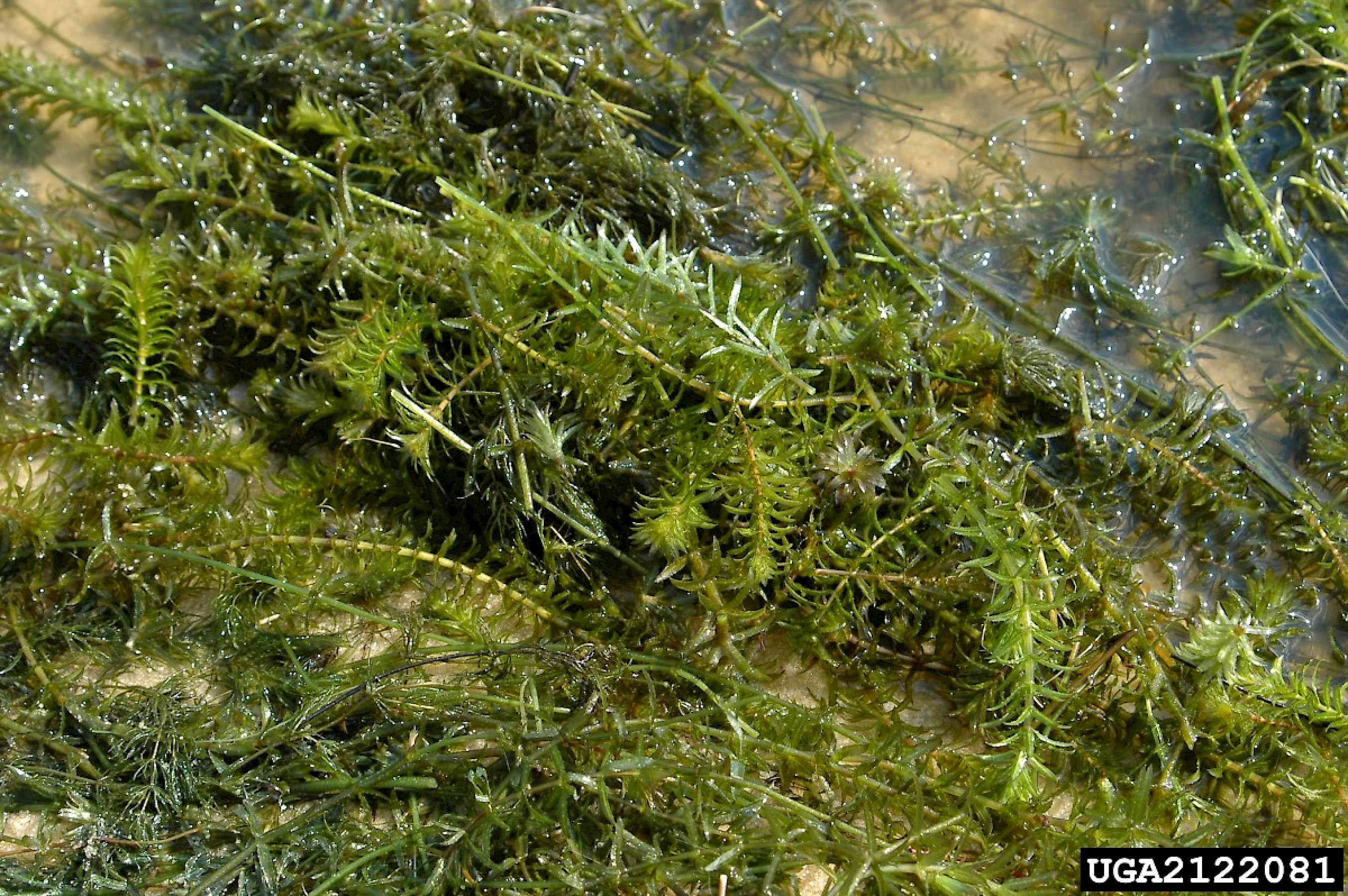

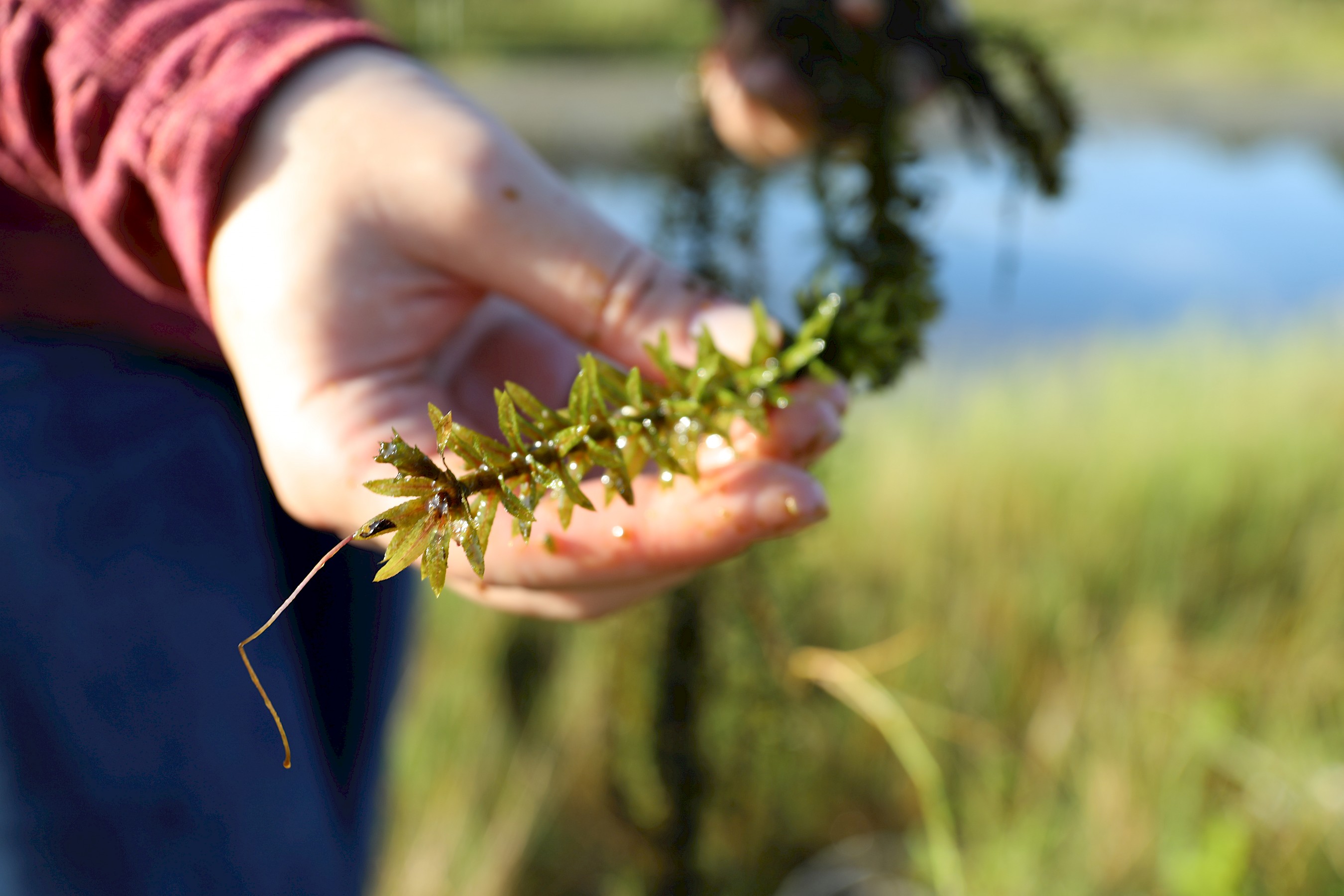
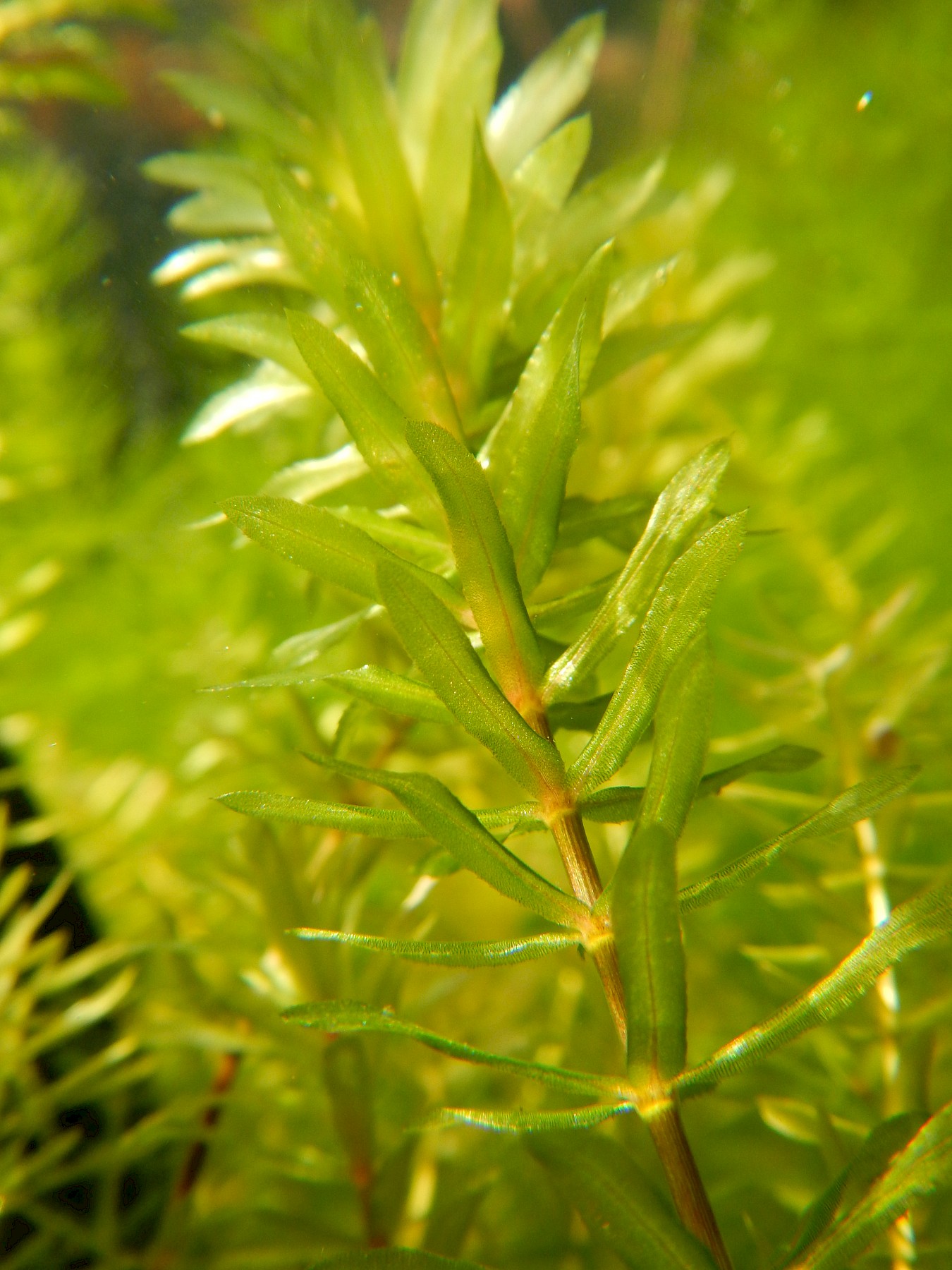
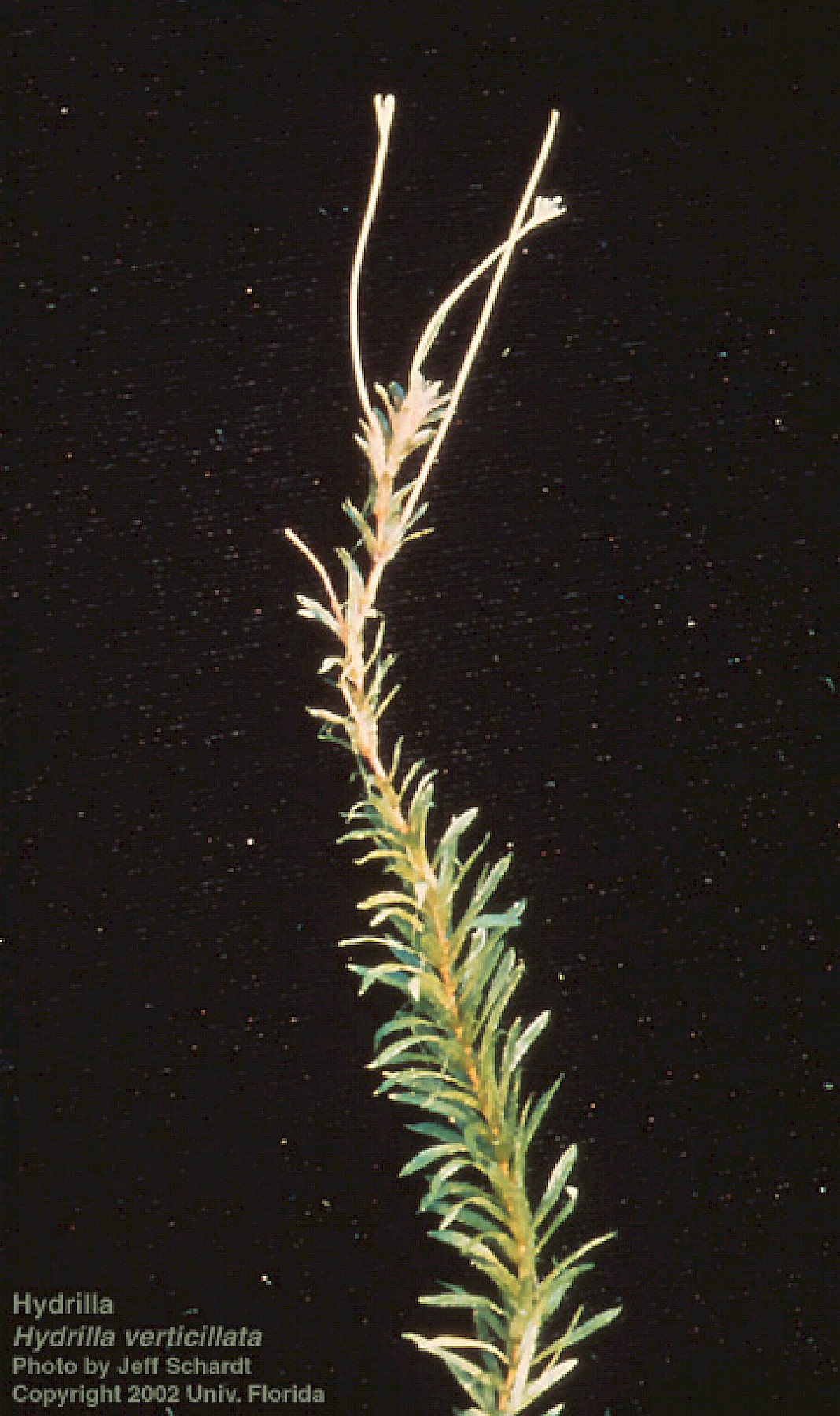
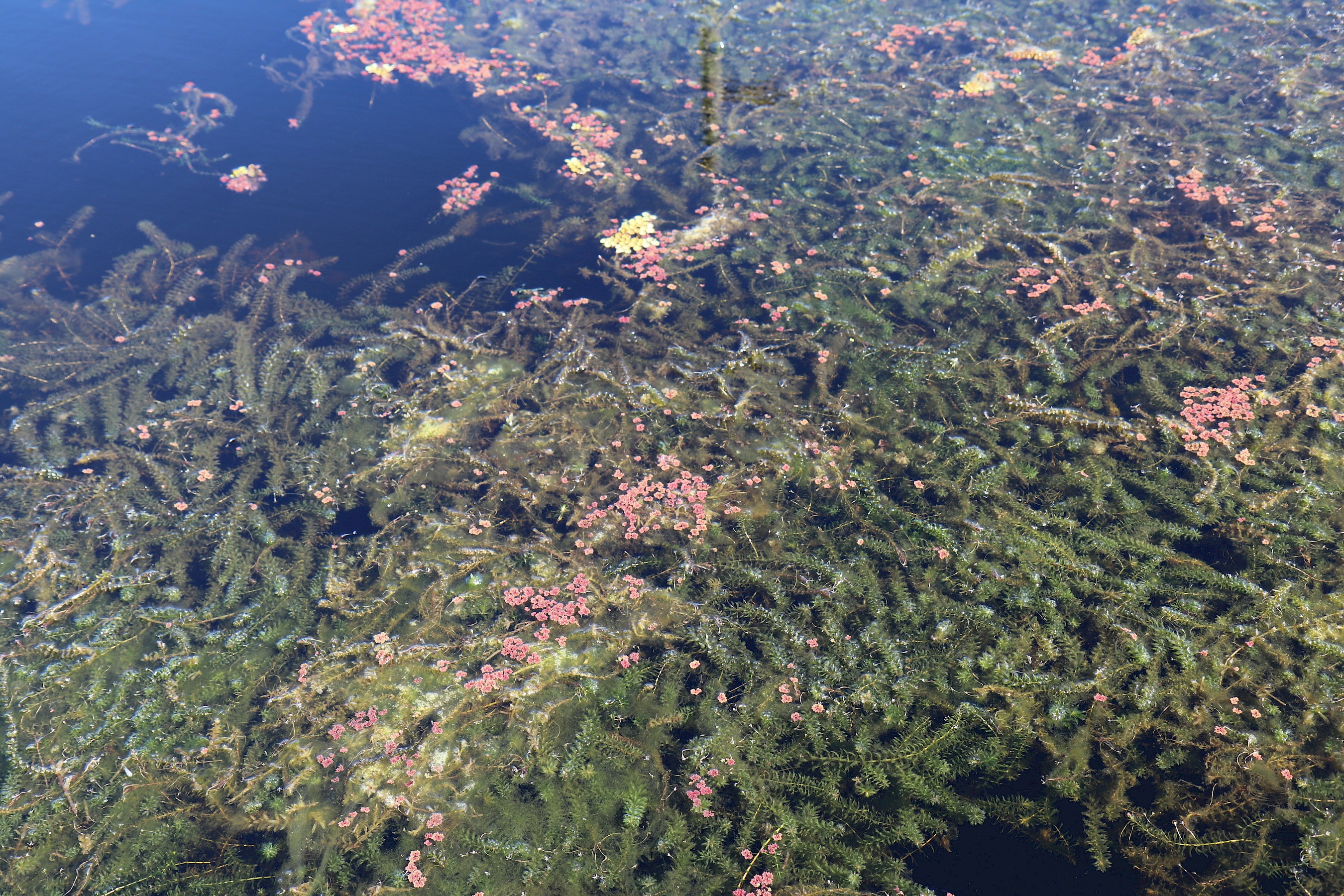
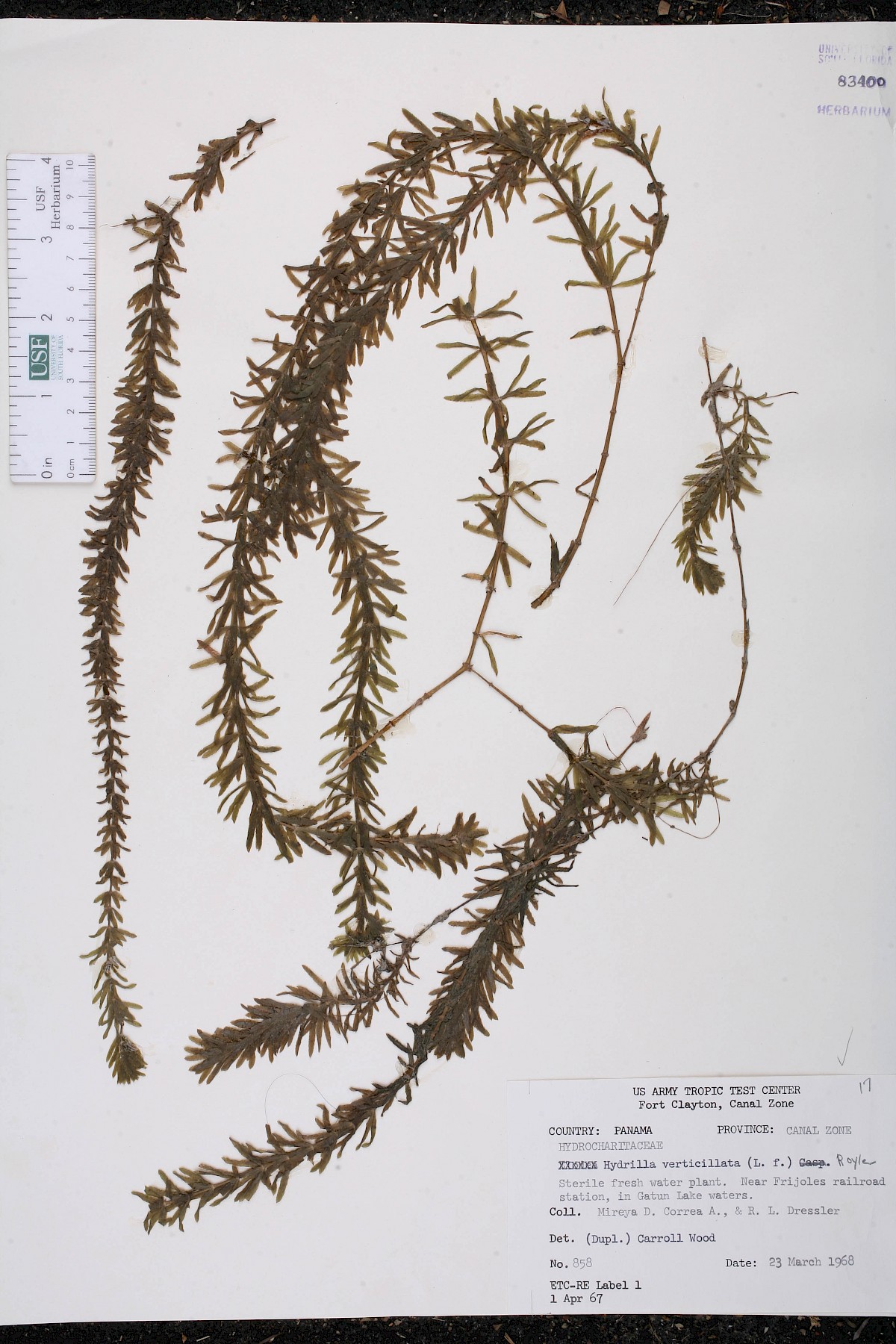
Native to: India (Hydrilla verticillata’s dioecious type originates from southern India. Hydrilla’s monoecious type is probably from Korea)
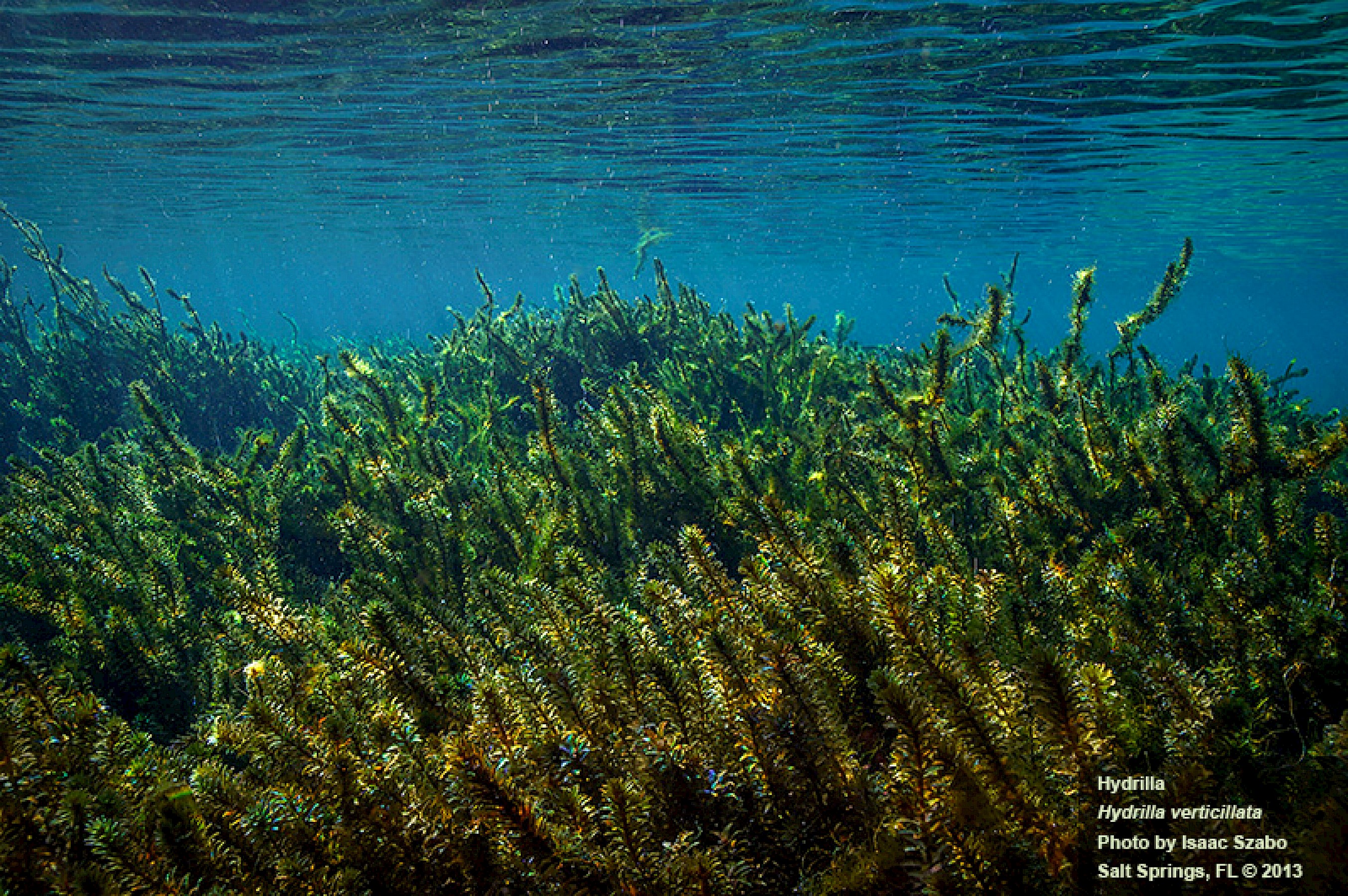
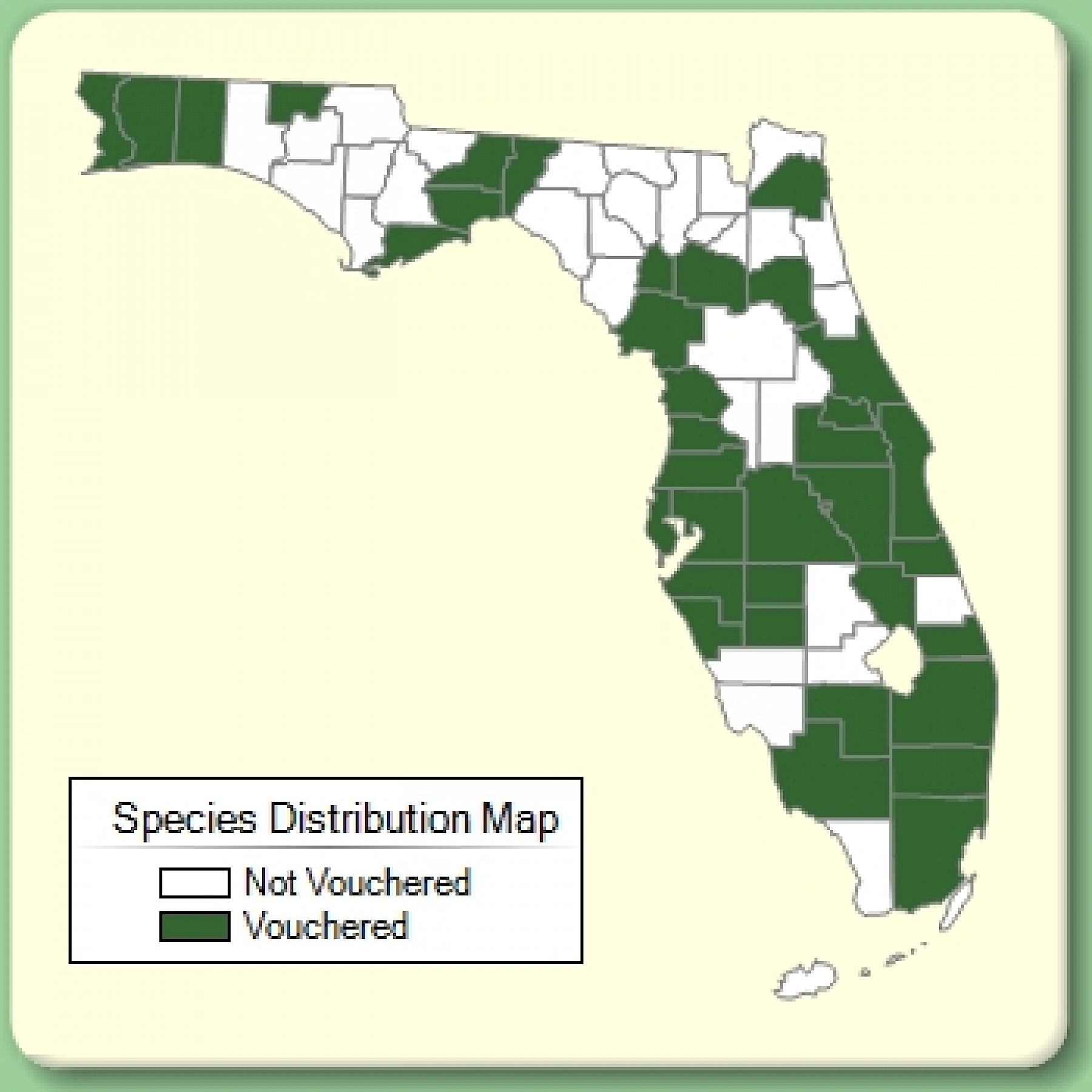
Hydrilla was introduced into Florida water bodies in 1950-1951. It was thought to have been introduced to the Tampa and Miami areas as an aquarium plant. By the 1970s, it was established throughout Florida waters and in most drainage basins. Hydrilla can grow to the surface of waters as deep as 25ft and form dense mats and can still be found in all types of water bodies.
Hydrilla has widescale impacts in Florida waters and is highly adaptable to a variety of growing conditions. It can grow in almost any freshwater system including springs, lakes, marshes, ditches, rivers and tidal zones. Hydrilla can grow in water as shallow as a few inches and up to 20 feet deep. It can grow in as little as 1% of full sunlight.
Hydrilla continues to be sold through aquarium supply dealers and over the internet, despite being a Federal Noxious Weed and a Florida Prohibited Aquatic Plant. Each stem on a Hydrilla plant can grow 1-4 inches per day. Therefore, when hydrilla invades water bodies, ecologically-important native submersed plants such as pondweeds (Potamogeton spp.), tapegrass (Vallisneria americana) and coontail (Ceratophyllum demersum) are shaded out by hydrilla’s thick mats, or are simply outcompeted and eliminated.
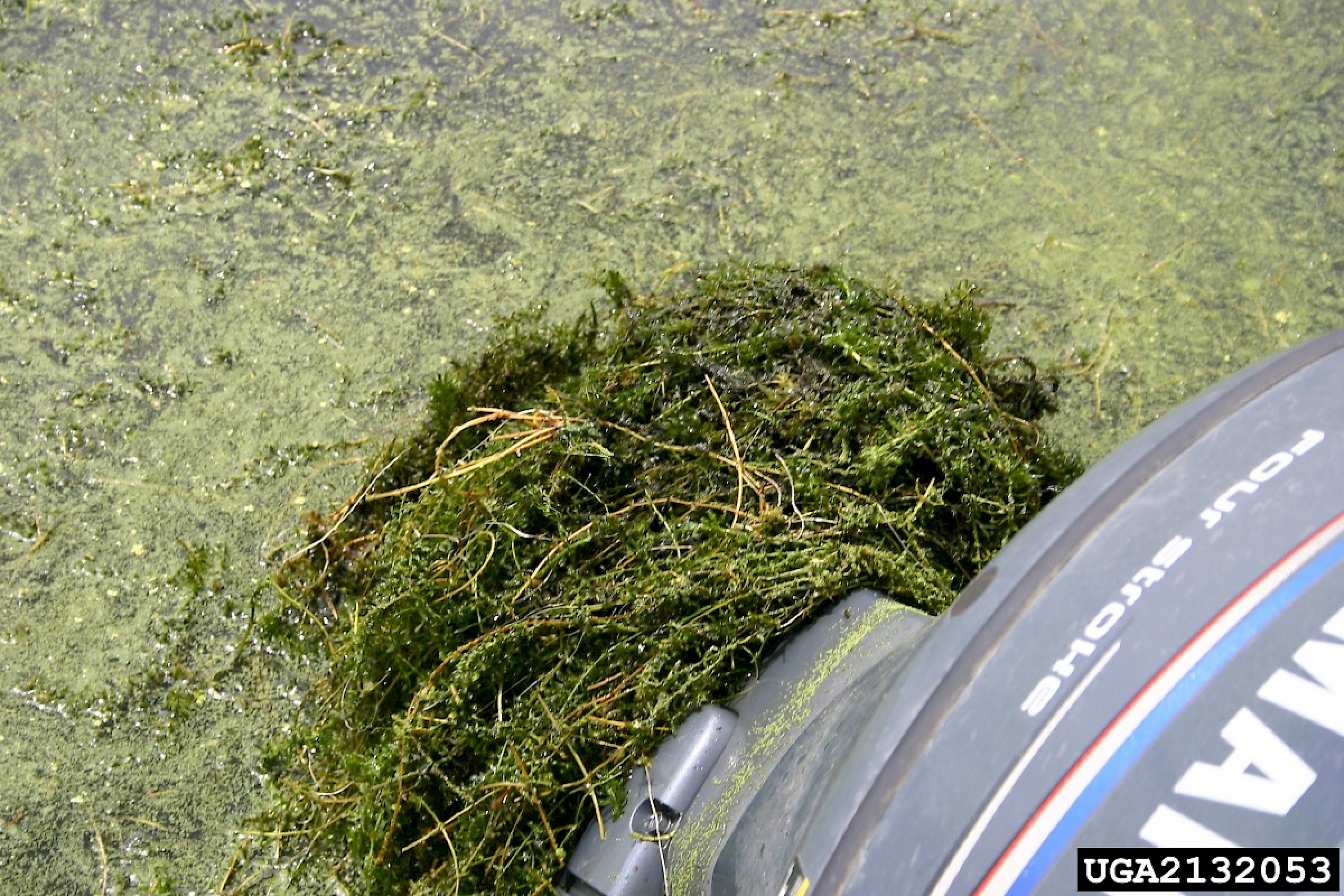
Each year in Florida, millions of dollars are spent on herbicides and mechanical harvesters in an effort to place hydrilla under “maintenance control.” Without management, hydrilla slows water flow and clogs irrigation and flood-control canals and interferes with boating (both recreational and commercial) and prevents swimming and fishing. Dense infestations can alter water chemistry and dissolved oxygen levels.
Hydrilla is a prohibited plant and therefore, not recommended by UF/IFAS. Hydrilla is a prohibited plant according to the USDA Noxious Weed List and the Florida Prohibited Plant List. The UF/IFAS Assessment lists Hydrilla as prohibited. It is listed by FLEPPC as a Category l invasive species due to its ability to invade and displace native plant communities.
Avoid introducing hydrilla into water bodies. Use best practices to prevent introduction by cleaning boat trailers, propellors, diver gear and live bait wells. Transporting plant fragments on boats, trailers, and in livewells is the main source of introduction into new lakes and rivers. Do not use hydrilla in aquariums or ornamental ponds. Opt for native submersed aquatic plants such as, sago Pondweed (Potamogeton pectinatus), bladderwort (Utricularia floridana), coontail (Ceratophyllum demersum), fanwort (Cabomba caroliniana) or southern naiad (Najas guadalupensis).
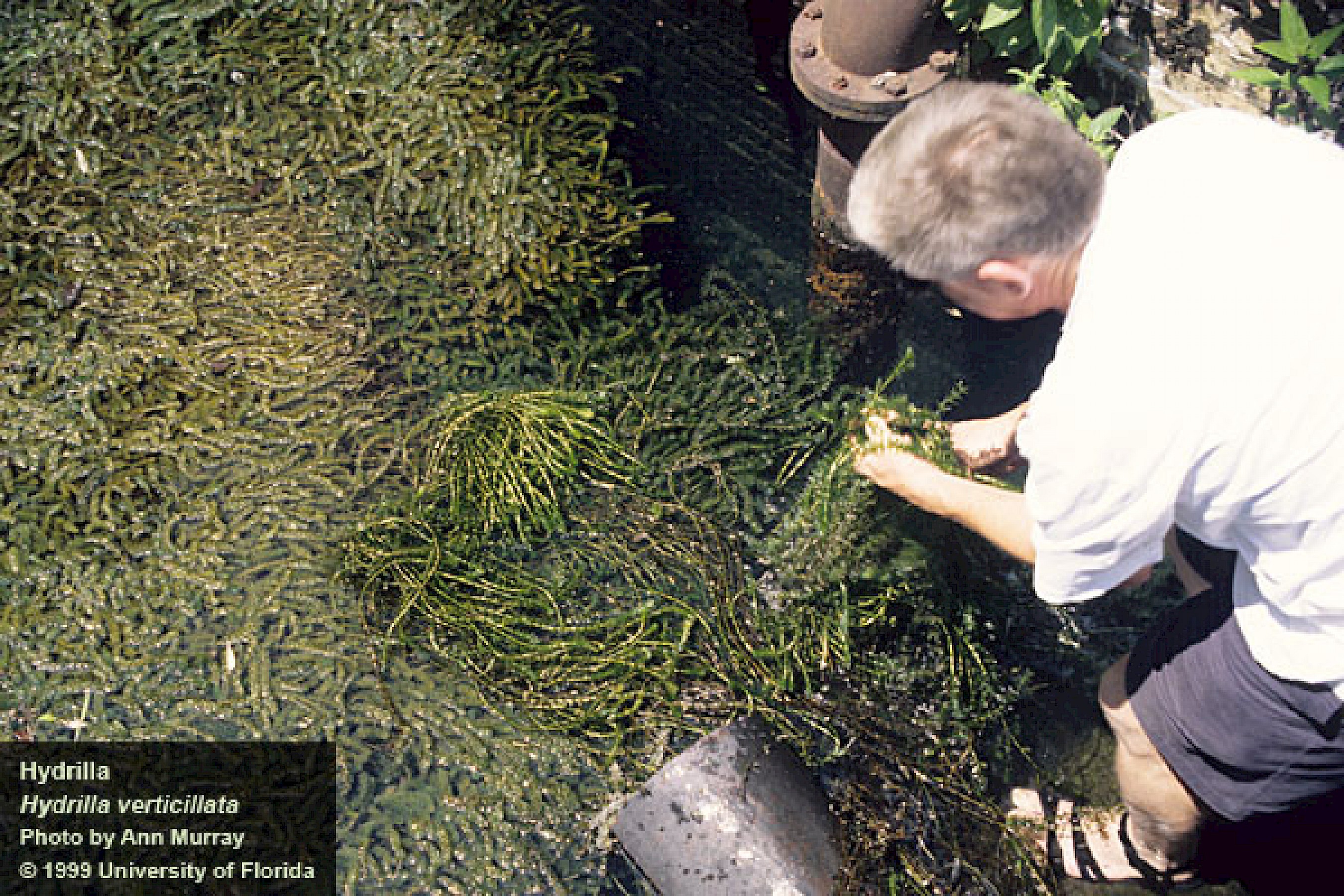
Small infestations of Hydrilla may be removed either manually or using hand tools, such as a rake. In some cases, lake drawdowns may help manage hydrilla by letting the exposed plants die and decompose.
Mechanical harvestors can be used to remove hydrilla from the water and transport it to shore for disposal. One drawback in the use of mechanical harvesters is that cuttings of hydrilla, which are not removed from the water, help to spread this weed.
Currently, four insects and one fish have been released to control hydrilla, but only two of these insects are established, and only one is commonly associated with hydrilla in the southeastern U.S. Click here to learn more.
Several registered aquatic herbicides provide temporary control of hydrilla. See: Efficacy of Herbicide Active Ingredients Against Aquatic Weeds to learn more.