
Woman's tongue
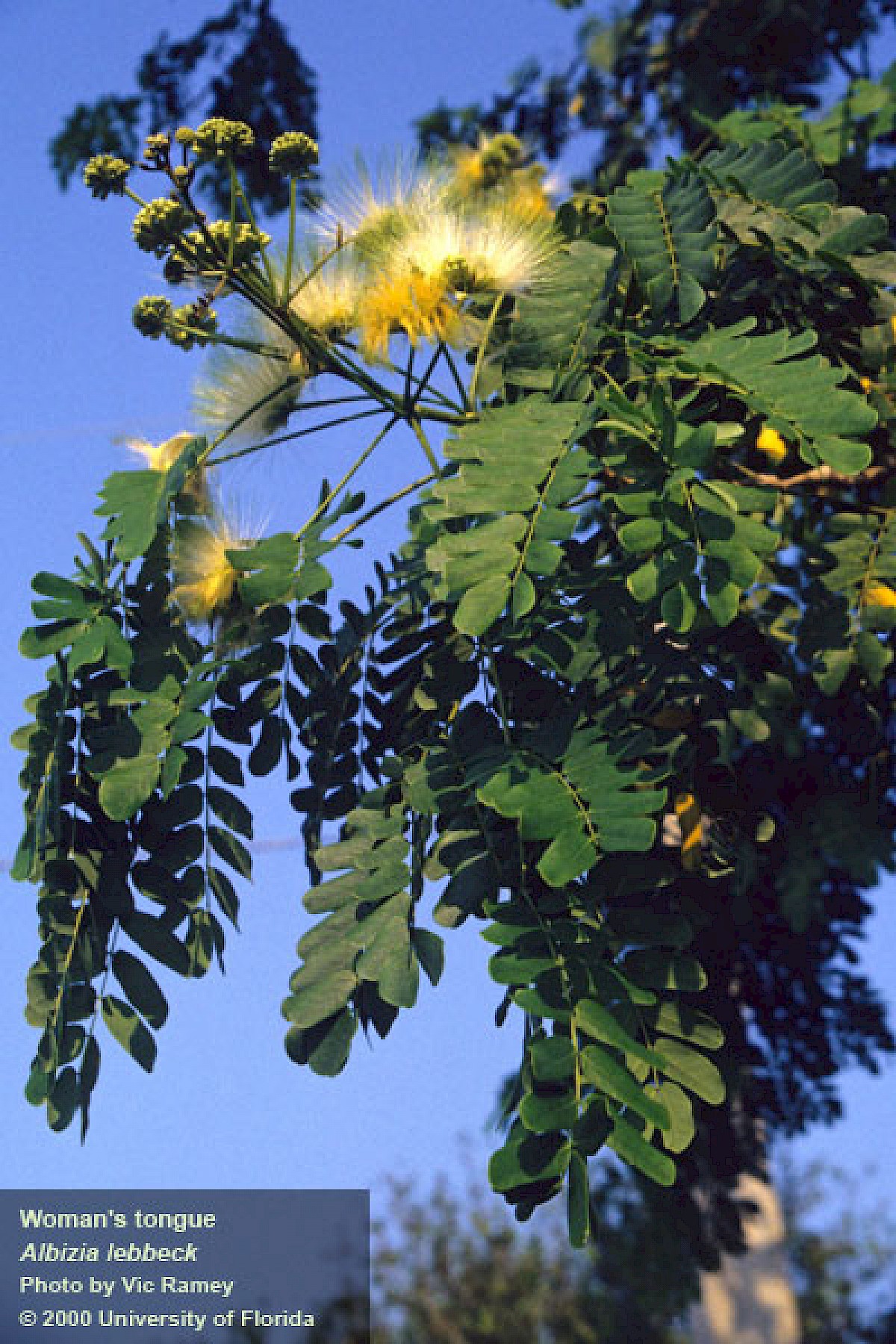
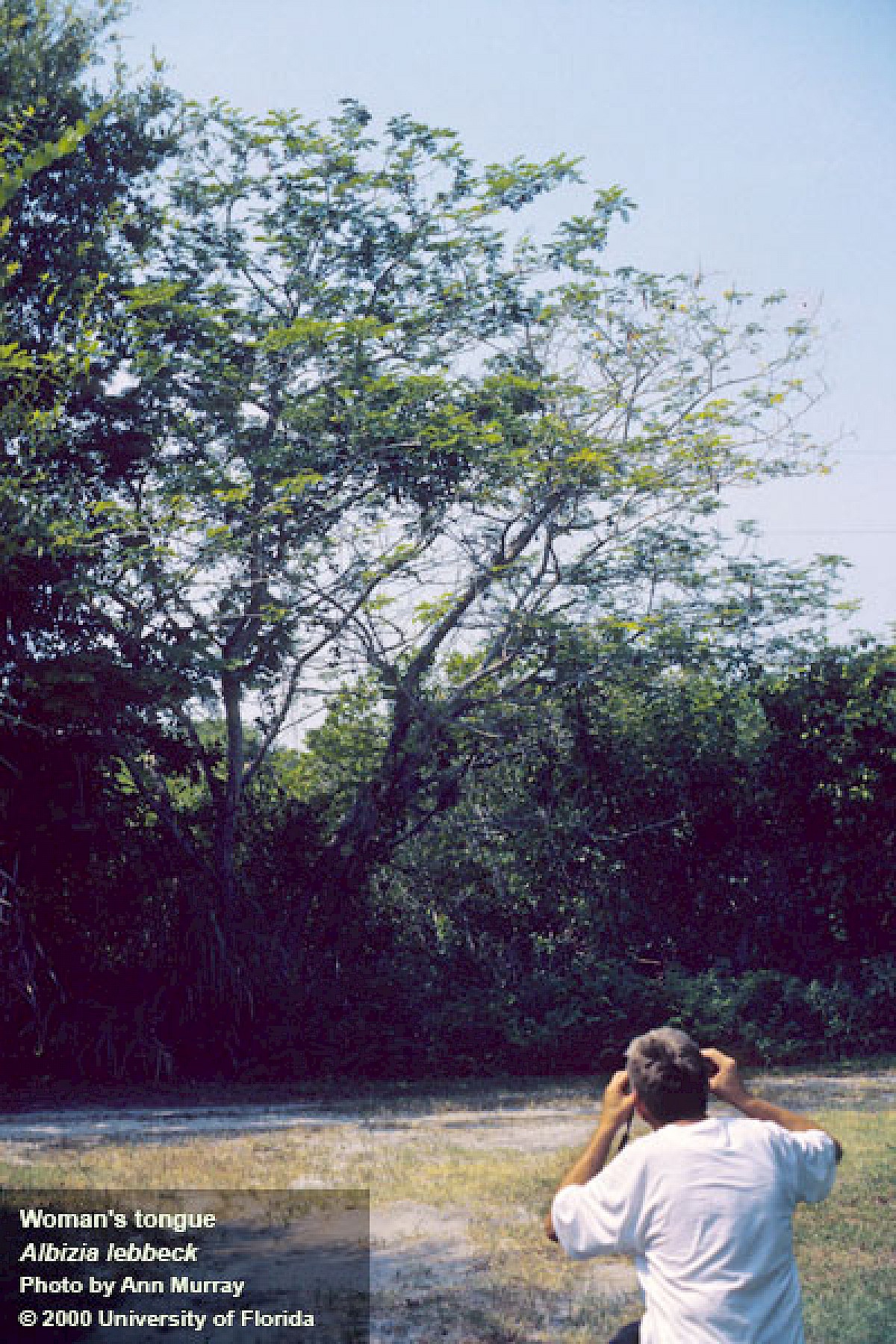
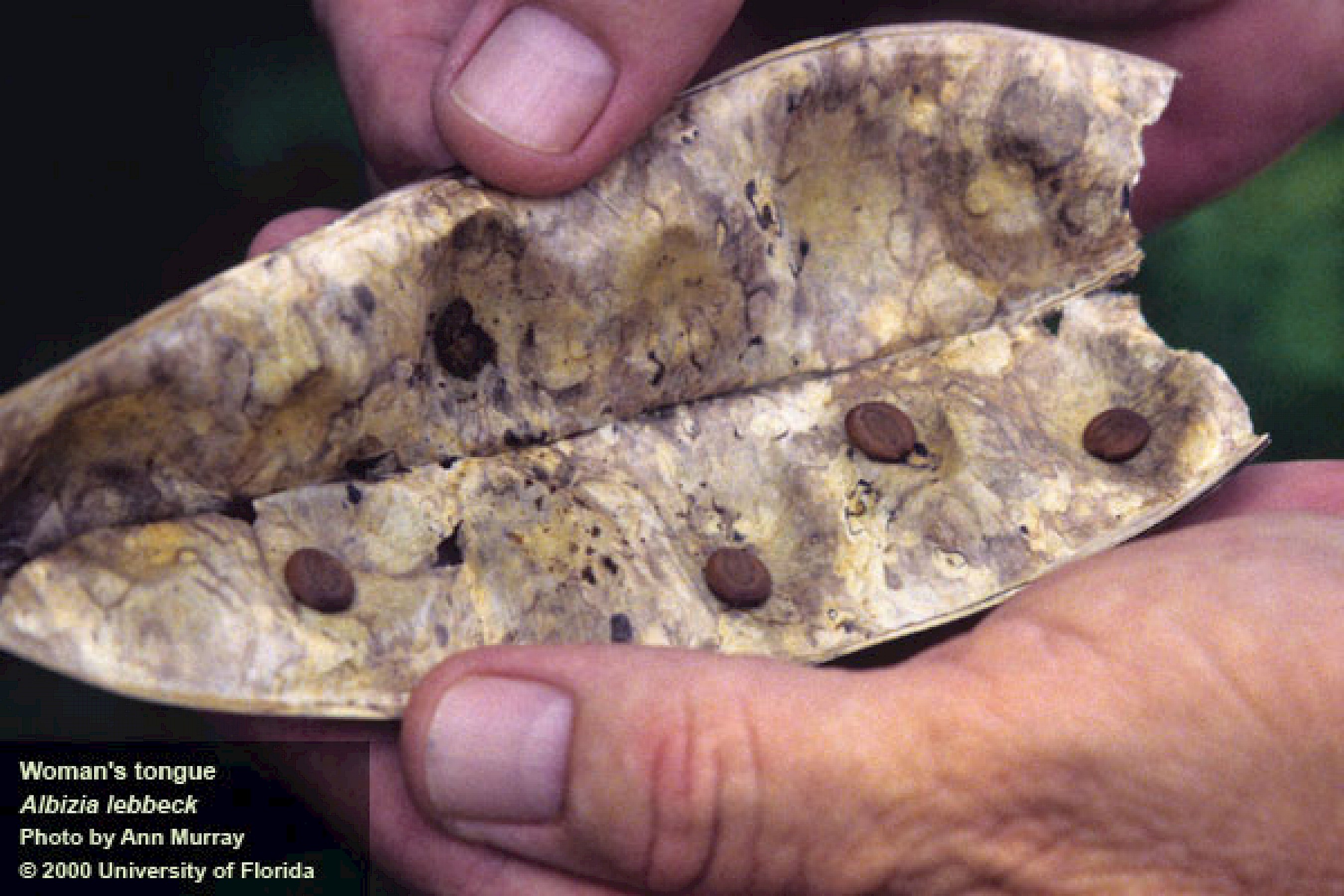
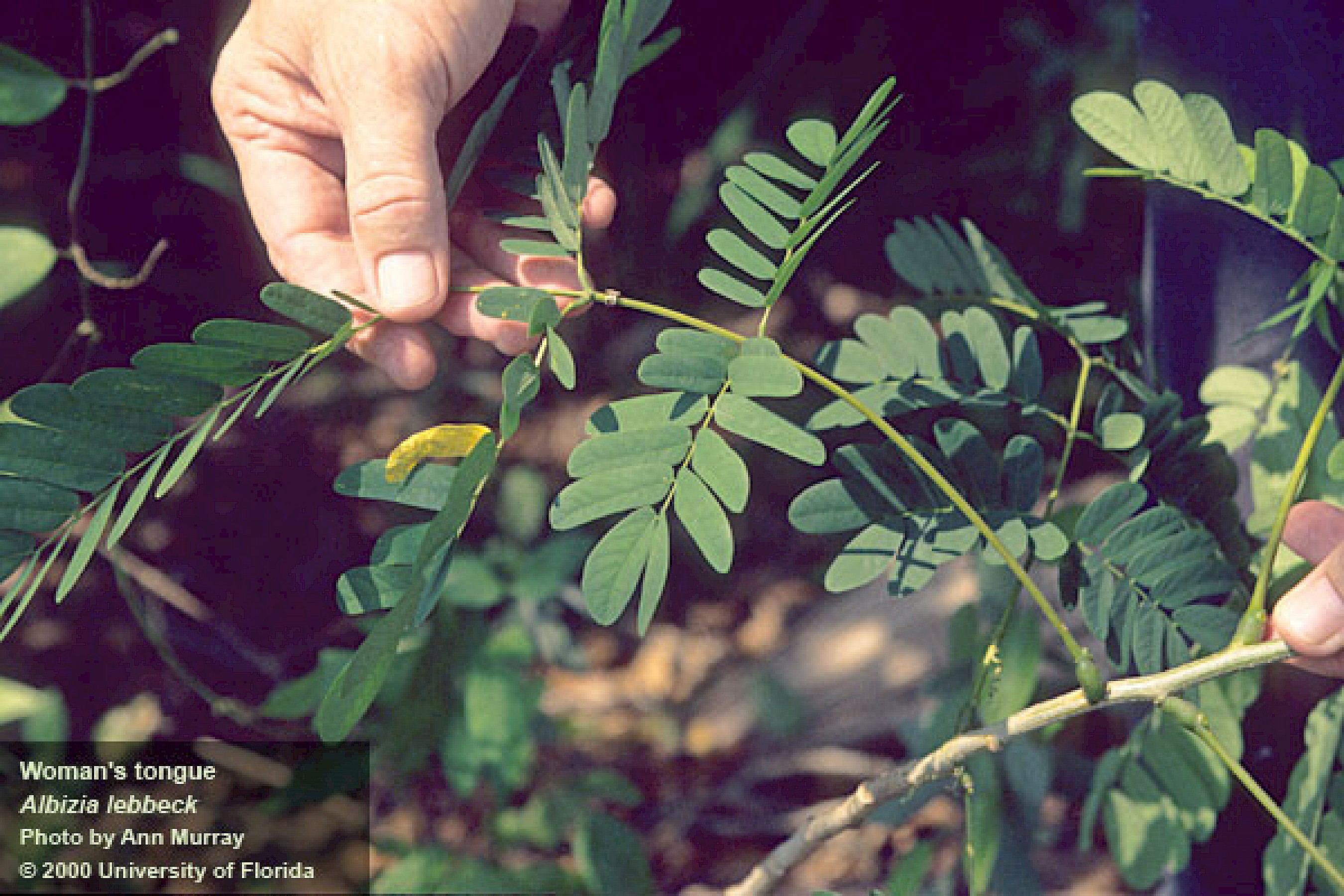
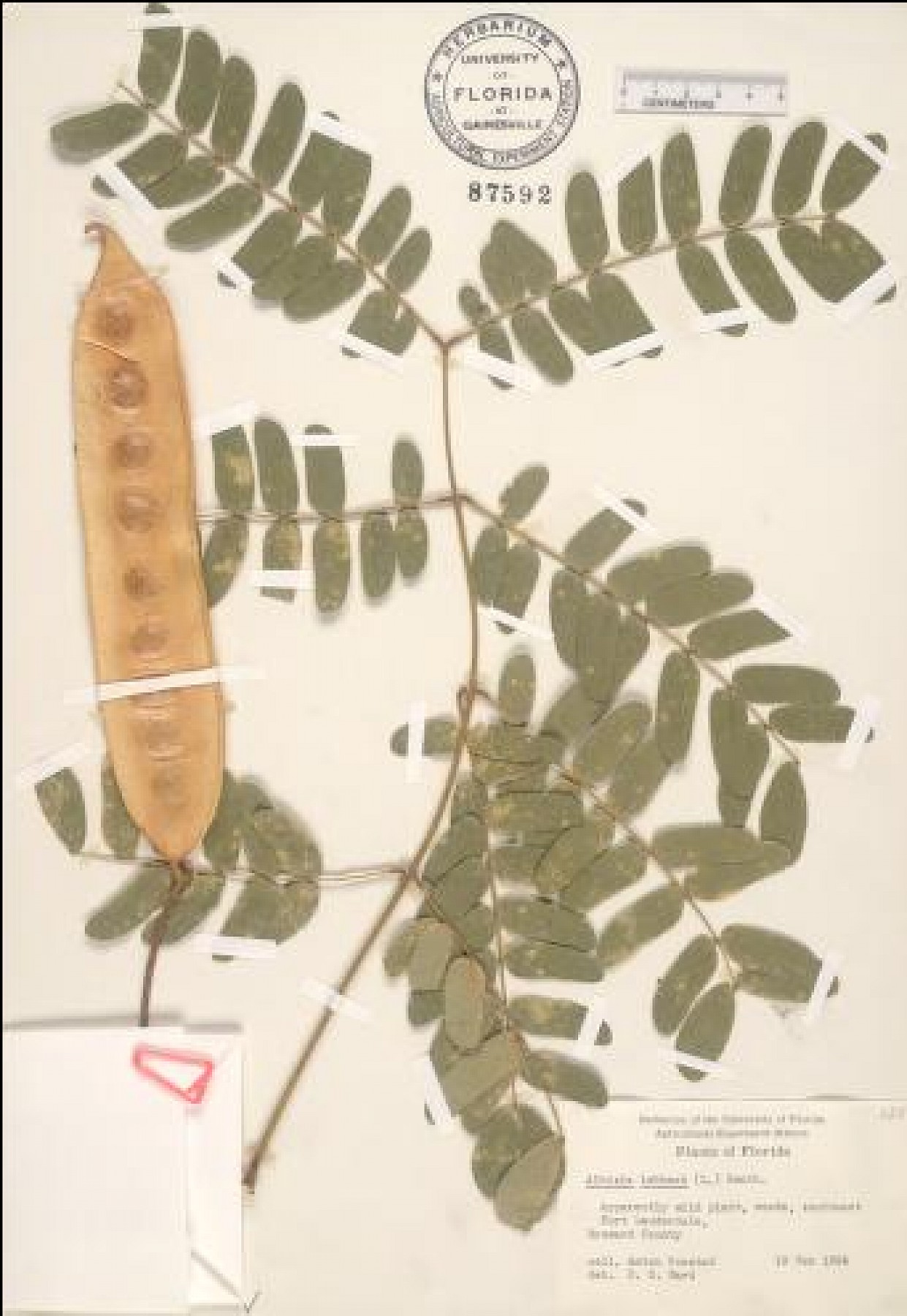
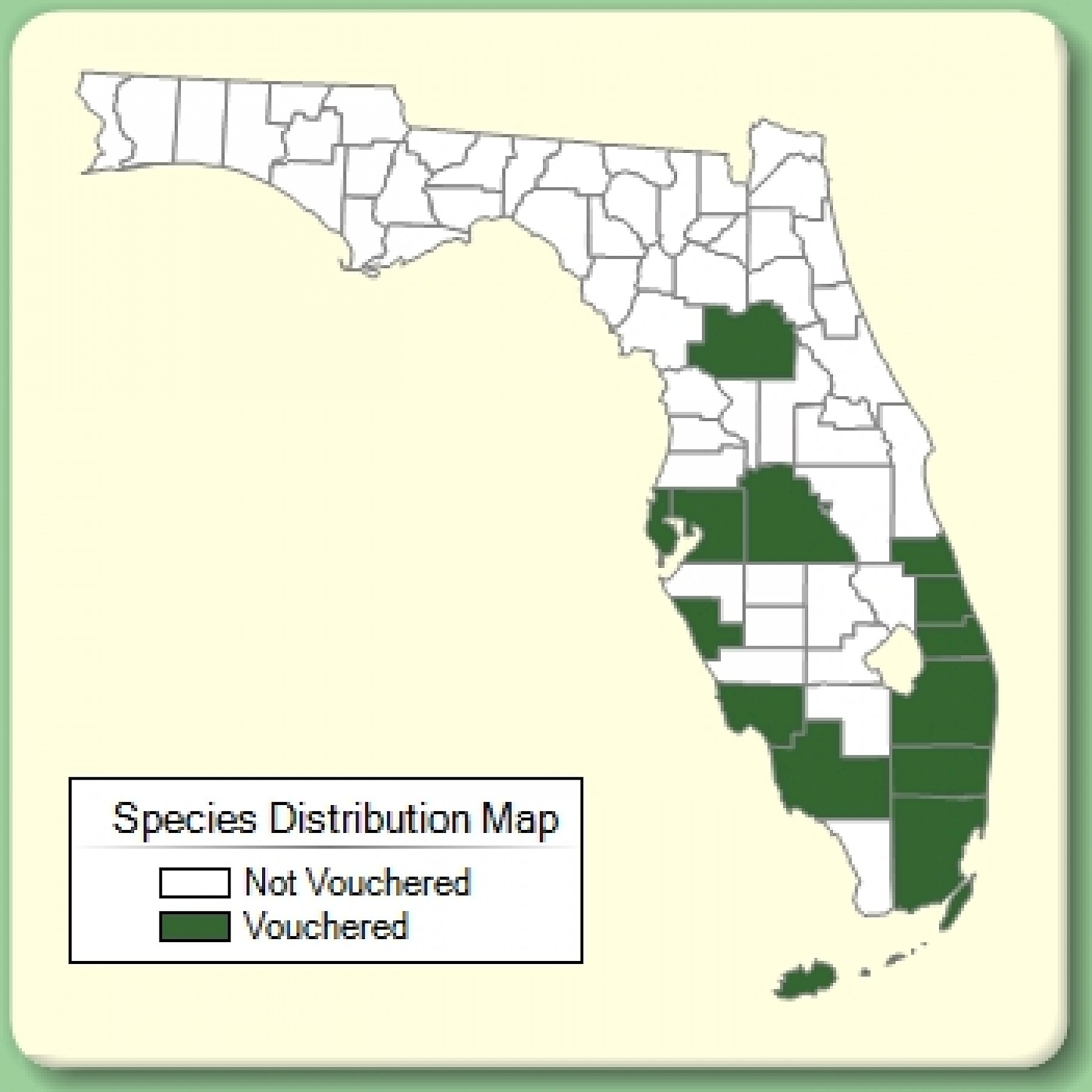
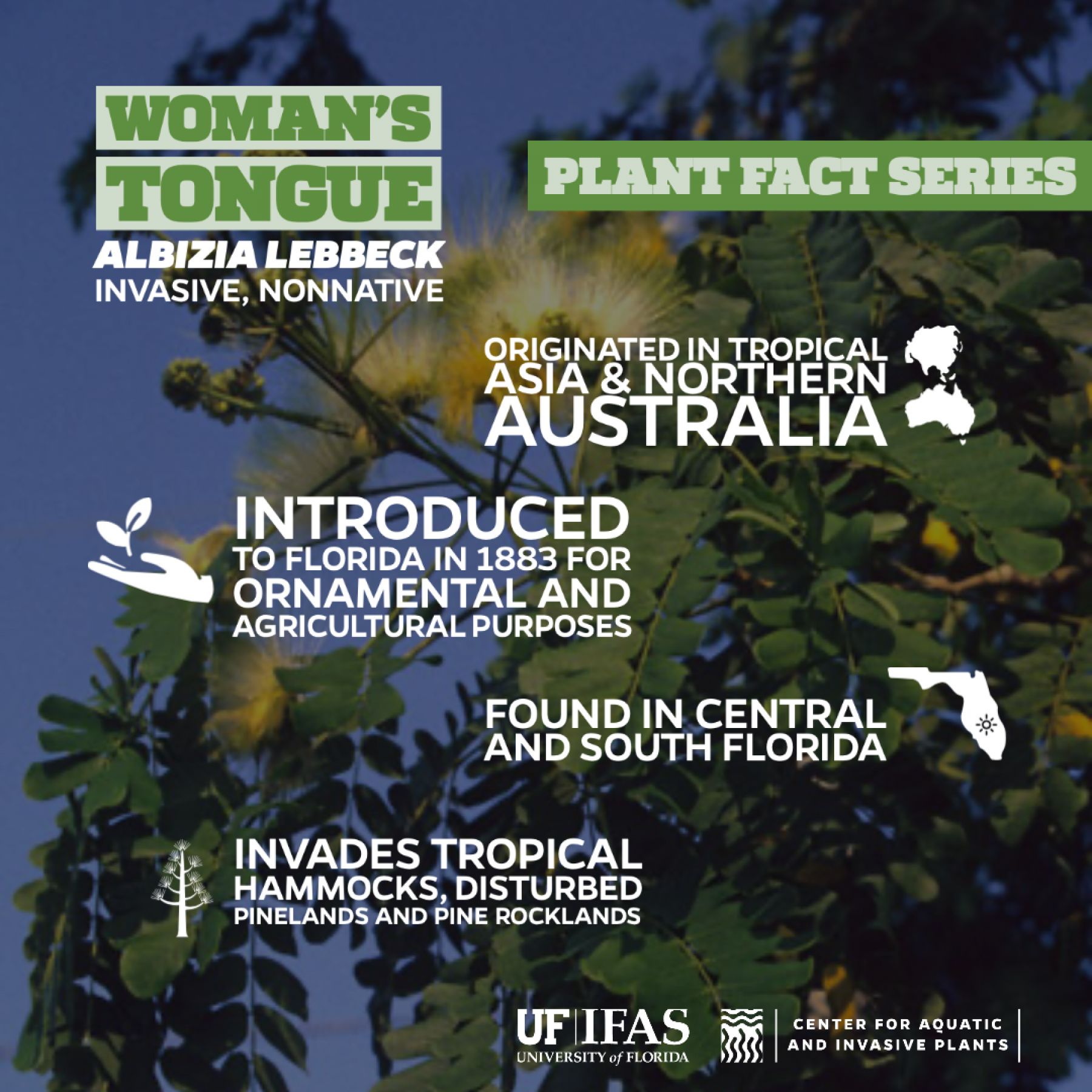
Native to: Tropical Asia, northern Australia
Woman’s tongue was imported as an ornamental tree, but escaped cultivation in 1883.
Woman's tongue invades tropical hammocks in the Florida Keys and the somewhat disturbed pinelands of Everglades National Park. It also invades pine rocklands and canopy gaps in the rockland hammocks in Dade County. Woman's tongue produces large amounts of seeds and rapidly growing seedlings may reach high densities. It also suckers from the roots and once established and forms dense stands. The UF/IFAS Assessment lists woman's tongue as species of caution (requires management to prevent escape) in south and central Florida and not considered a problem in north Florida. It is listed as a Category 1 invasive by FLEPPC.
Healthy, diverse ecosystems are more resilant against invasive plants. Plant native alternatives such as sweet acacia (Acacia farnesiana), Jamaica caper tree (Capparis cynophallophora), marlbery (Ardisia escallonioides), Florida privet (Forestiera segregata) and sand live oak (Quercus geminata).
Do not plant. If present, remove plant, roots and seedlings promptly.
Cut mature trees and remove seedlings to prevent establishment.
There are no known biological control agents for woman's tongue.

